Tag: longevity

Low Testosterone in Women: Symptoms, Benefits, Testing, and Treatment Options

Quick Answer

Why do women need testosterone?

Women naturally produce testosterone, and it plays an important role in energy, muscle tone, bone density, mood stability, cognitive function, libido, and overall metabolic health. Low testosterone levels in women may contribute to fatigue, reduced strength, low libido, mood changes, and difficulty maintaining muscle mass.

When people hear “testosterone,” they often think of it as a “male” hormone. But the truth is women produce and need testosterone, too. While we make less of it than men, it plays a critical role in energy, mood, strength, libido, and even bone health. Let’s explore why testosterone is important for women, common questions about it, and how you can support healthy hormone levels with nutrition.

Why Testosterone Matters for Women’s Energy, Mood, and Strength

Testosterone is produced in the ovaries, adrenal glands, and peripheral tissues. In women, it supports:

  • Muscle tone & strength
  • Bone density
  • Cognitive function & mood stability
  • Sex drive & arousal
  • Energy & motivation

Low testosterone in women can contribute to fatigue, depression, low libido, difficulty building muscle, weight gain, and bone loss, especially during perimenopause and menopause when hormones naturally shift.

Common Causes of Low Testosterone in Women

Several factors can lower testosterone in women:

  • Age (levels decline naturally with age)
  • Chronic stress (impacts adrenal production)
  • Eating disorders or low body fat
  • Certain medications (like steroids or birth control)
  • Ovarian removal or menopause

Signs Your Testosterone Levels May Be Low

Symptoms of low testosterone can include:

  • Low libido
  • Fatigue or lack of motivation
  • Difficulty building or maintaining muscle
  • Thinning hair
  • Decreased bone density
  • Mood changes, like irritability or depression

Low Testosterone Symptoms vs Other Hormone Imbalance Symptoms

SymptomPossible Testosterone LinkOther Possible Hormone Links
Low libidoOften linked to low testosteroneEstrogen imbalance, stress, menopause
FatigueLow testosterone may reduce energy and motivationThyroid issues, vitamin D deficiency, cortisol imbalance
Difficulty building muscleTestosterone supports lean muscleLow protein intake, aging, thyroid imbalance
Weight gainMay relate to lower muscle mass and slower metabolismEstrogen changes, insulin resistance, menopause
Mood changesTestosterone may affect motivation and mood stabilityProgesterone, estrogen, cortisol
Thinning hairMay happen with hormone shiftsThyroid imbalance, nutrient deficiencies
Poor sleepLow testosterone may contribute indirectlyProgesterone, cortisol, menopause

When Should Women Get Hormone Testing?

Hormone testing may help if symptoms continue even after you improve your sleep, nutrition, exercise, and stress management. Low testosterone symptoms can overlap with other hormone or metabolic issues, including estrogen changes, progesterone imbalance, thyroid problems, vitamin D deficiency, or high stress. Testing gives your provider a clearer picture before recommending lifestyle support, hormone therapy, or another treatment approach.

You may want to consider hormone testing if you experience:

  • Ongoing fatigue
  • Low libido
  • Mood changes
  • Difficulty building or keeping muscle
  • Unexplained weight gain
  • Brain fog
  • Poor sleep
  • Perimenopause or menopause symptoms
  • Stalled progress despite healthy habits

If your symptoms started during perimenopause or menopause, menopause therapy may also help identify the right support plan.

Why Medical Evaluation Matters Before Hormone Therapy

Medical evaluation helps determine whether symptoms are linked to testosterone, another hormone imbalance, or a different health factor. A provider reviews your symptoms, health history, and lab results before recommending lifestyle support, hormone therapy, or another treatment option.

Some women need only lifestyle support, while others may benefit from monitored hormone therapy. Testing provides clarity before making treatment decisions and helps reduce the risk of unnecessary or excessive treatment.

Not Sure If Your Symptoms Are Hormone-Related?

Fatigue, low libido, mood changes, weight gain, and poor sleep can have several causes. Tucson Wellness MD offers hormone testing and provider-guided care to help you understand what your body needs.

Schedule a Hormone Consultation

Why Comprehensive Hormone Testing Matters for Women

Testing your hormones is one of the most powerful steps you can take to improve your health, vitality, and weight management because hormones don’t work in isolation. Testosterone, estrogen, progesterone, DHEA, and even vitamin D all interact, and even subtle imbalances can affect how you feel, how you look, and how your body responds to diet and exercise.

testosterone

At Tucson Wellness MD, we offer a comprehensive hormone panel that goes beyond the basics to give you a complete picture of your hormonal health. Below is how each key hormone contributes to both weight loss and vitality and why balancing them is so important:

Key Hormones That Affect Energy, Weight, and Vitality

Testosterone

Drives muscle tone, energy, libido, and fat metabolism.

  • For Fat Burning: Builds muscle, increases metabolism, reduces abdominal fat, and improves insulin sensitivity.
  • For Vitality: Strengthens bones, improves cognitive function, boosts libido, supports heart health, immunity, and long-term physical strength.

Estrogen

Essential for bone health, mood, metabolism, and fat distribution.

  • For Fat Burning: Regulates fat storage, boosts metabolism, reduces visceral fat, and improves insulin sensitivity especially after menopause.
  • For Vitality: Protects bones and the heart, enhances mood, cognition, and skin health, and helps protect the brain from Alzheimer’s and Parkinson’s disease.

Progesterone

Balances estrogen, promotes restful sleep, and helps manage stress.

  • For Fat Burning: Supports thyroid function, regulates blood sugar, reduces fat storage and water retention, and improves body composition.
  • For Vitality: Reduces inflammation, supports bone health, enhances sleep quality, mood, and cognitive function, and may lower breast cancer risk.

DHEA

A precursor to other hormones that supports energy, mood, and body composition.

  • For Fat Burning: Boosts thermogenesis, targets abdominal fat, improves insulin sensitivity, and helps build lean muscle.
  • For Vitality: Offers anti-inflammatory and antioxidant benefits to support immunity, brain health, bones, and heart function.

Vitamin D3

Technically a hormone, it plays a vital role in mood, immunity, energy, and weight regulation.

  • For Fat Burning: Helps regulate fat cell growth, enhances fat metabolism, improves insulin sensitivity, and supports muscle function.
  • For Vitality: Strengthens bones, reduces inflammation, supports heart and immune health, and may help lower cancer risk.

By testing these hormones together, rather than just checking one or two, we can help uncover the root cause of symptoms and design a personalized plan to help you feel vibrant, strong, and in control of your health again.

Can Women Use Testosterone Therapy Safely?

Yes, under medical supervision, women with clinically low testosterone may benefit from therapy. This can come in the form of creams, gels, pellets, or injections. Always work with a knowledgeable provider to monitor levels and avoid excessive dosing. At Tucson Wellness MD, we offer testosterone therapy in the forms of pellets or injections, ask us about pricing!

Lifestyle Support vs Medical Hormone Therapy

Treatment for low testosterone or hormone imbalance depends on your symptoms, lab results, health history, and personal goals. Some women may need lifestyle changes first, while others may qualify for provider-supervised hormone therapy. The table below shows how different support options may fit into a personalized care plan.

OptionWhat It SupportsBest For
Nutrition changesHormone production, blood sugar balance, and energyWomen with mild symptoms or lifestyle gaps
Strength trainingMuscle tone, metabolism, and bone supportWomen with muscle loss, low strength, or weight changes
Sleep improvementCortisol balance, recovery, and hormone rhythmWomen with fatigue, poor sleep, or stress-related symptoms
Stress managementAdrenal health and overall hormone balanceWomen with burnout, high stress, or low motivation
Hormone testingClearer diagnosis and treatment planningWomen with ongoing symptoms despite healthy habits
Testosterone pelletsLonger-lasting hormone support under provider supervisionWomen who qualify after evaluation and lab testing
Testosterone injectionsMonitored testosterone replacement supportWomen needing provider-directed treatment
Ongoing lab monitoringSafety, dosage review, and treatment adjustmentWomen using hormone therapy

The safest option is the one based on testing, medical review, and ongoing monitoring. This helps your provider choose the right approach and adjust treatment when needed.

How Nutrition and Lifestyle Support Healthy Hormone Balance

testosterone

While medical treatment may sometimes be necessary, nutrition and lifestyle are foundational for healthy hormones including testosterone. A holistic lifestyle, rooted in whole foods and rich micronutrients, is a powerful way to nurture your hormones and overall health. For personalized advice, consult a qualified dietitian/nutritionist. Here’s how to support your body naturally:

Eat Enough Protein & Healthy Fats

  • Adequate protein (like chicken, fish, lean beef, and eggs) supports muscle and hormone production.
  • Healthy fats (from avocado, olive oil, coconut, and fatty fish) are crucial because cholesterol is a building block for hormones.

Balance Blood Sugar

  • Excessive sugar and insulin spikes can disrupt hormone balance. Focus on complex carbs (like sweet potatoes, quinoa, and veggies) paired with protein and healthful fat.

Include Micronutrient-Rich Foods

  • Zinc: oysters, beef, pumpkin, spinach
  • Magnesium: leafy greens, avocado, squash
  • Vitamin D: salmon, egg yolks, or get sunlight exposure
  • B-vitamins (B6, B12, folate): meats and poultry, fish, and starchy vegetables like potatoes, and leafy green vegetables
  • Vitamin C: citrus fruits, berries, and bell peppers
  • Iodine: fish, dairy products, iodized salt
  • Selenium: Brazil nuts, tuna, and fish

Prioritize Sleep & Stress Reduction

  • Chronic stress raises cortisol, which can lower testosterone. Sleep, relaxation, and stress management are just as important as food.

Schedule Hormone Testing and Personalized Support in Tucson

Testosterone is a vital hormone for women, supporting your energy, strength, mood, and overall health at every stage of life. If you’re experiencing symptoms of low testosterone or want to better understand your hormone health, we’re here to help.

Reach out to Tucson Wellness MD today to schedule your consultation. Ask us about our comprehensive lab panels to assess your hormone levels and learn more about our hormone replacement therapy (HRT) options and pricing. Your journey to balanced hormones and feeling your best starts here. Let us guide you!

Ready to Understand Your Hormone Levels?

If fatigue, low libido, mood changes, weight concerns, or menopause symptoms are affecting your daily life, Tucson Wellness MD can help you take the next step with hormone testing and personalized care.

Schedule Your Consultation

Frequently Asked Questions

Do women naturally produce testosterone?
Yes, women naturally produce testosterone through the ovaries, adrenal glands, and peripheral tissues. Although women produce much lower amounts than men, testosterone still plays an important role in overall health. It supports energy, muscle tone, mood stability, libido, and bone strength. Hormonal balance depends on maintaining appropriate levels rather than eliminating the hormone completely.

Why is testosterone important for women?
Testosterone helps support muscle maintenance, cognitive function, energy levels, sexual wellness, and bone density. Healthy testosterone levels may also contribute to motivation and metabolic function. When levels decline, some women experience fatigue, reduced strength, or low libido. The hormone works alongside estrogen and progesterone to support overall wellness.

What causes low testosterone in women?
Several factors may contribute to lower testosterone levels in women, including aging, chronic stress, menopause, and certain medications. Low body fat, eating disorders, or ovarian changes may also affect hormone production. Hormone levels naturally shift during perimenopause and menopause. Lifestyle factors can also influence hormonal balance over time.

What are symptoms of low testosterone in women?
Symptoms may include fatigue, low libido, mood changes, difficulty building muscle, increased body fat, and reduced motivation. Some women also notice thinning hair or decreased bone density over time. These symptoms can overlap with other hormonal or metabolic conditions. Proper evaluation helps determine whether testosterone imbalance may be involved.

Can low testosterone cause weight gain in women?

Low testosterone may contribute to weight changes by reducing muscle mass, energy, and metabolic support. Weight gain can also involve estrogen changes, insulin resistance, thyroid issues, stress, sleep problems, or menopause.

Is testosterone therapy safe for women?

Testosterone therapy may be appropriate for some women when prescribed and monitored by a qualified provider. Lab testing, symptom review, dosage control, and follow-up care help reduce the risk of excessive dosing or unwanted side effects.

How to Support Your Metabolism for Weight Loss

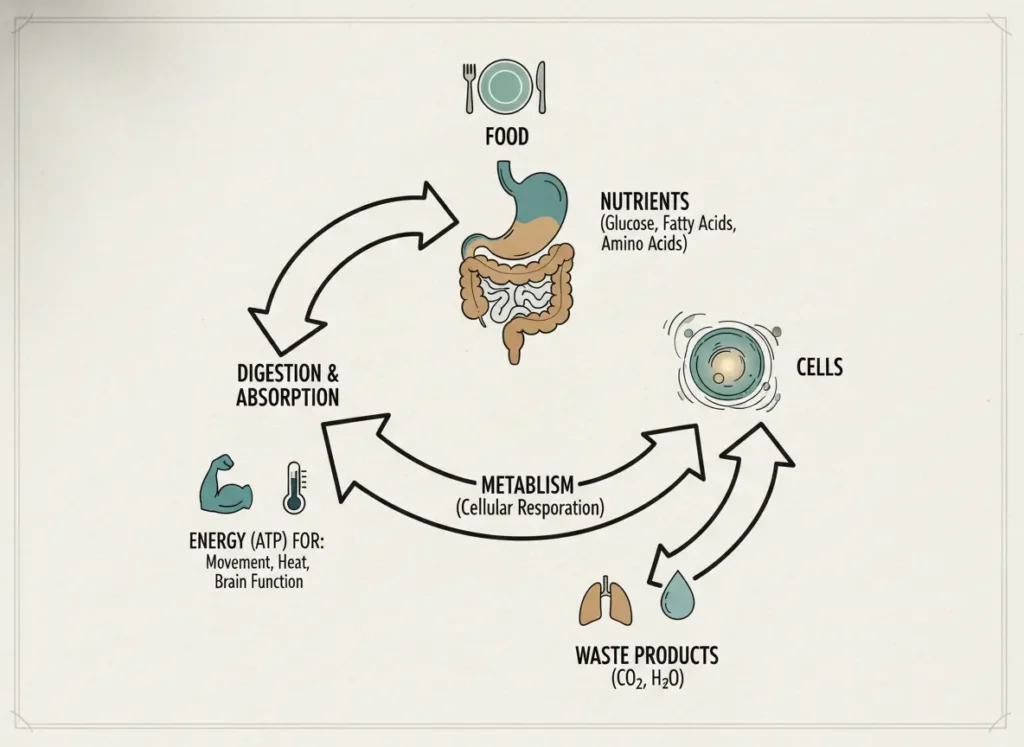
WMetabolism includes all the processes your body uses to convert food and stored nutrients into energy.

It affects more than calorie burning. Metabolism supports breathing, circulation, movement, digestion, tissue repair, temperature regulation and other essential functions.

Your metabolic rate is influenced by factors such as body size, muscle mass, age, activity, food intake, sleep, medications and certain health conditions.

This guide explains how metabolism works, why weight loss may feel difficult and which nutrition, exercise and lifestyle habits may support long-term metabolic health.

Quick Answer

How Can You Support a Healthy Metabolism?

You can support metabolism by preserving muscle through resistance training, eating enough protein, getting consistent sleep, managing stress and avoiding extreme calorie restriction. Metabolism is also influenced by age, body size, activity, medications, thyroid function and other health factors. Persistent fatigue, unexplained weight changes or stalled progress may require medical evaluation rather than another restrictive diet.

What Metabolism Really Is

Metabolism is the collection of chemical reactions that keeps the body functioning.

These reactions convert nutrients into energy, build and repair tissues, regulate body temperature and support normal organ function.

Your basal metabolic rate, or BMR, is the energy your body uses at rest to maintain functions such as breathing, circulation and brain activity.

Total daily energy use includes:

  • Basal metabolic rate
  • Physical activity
  • Exercise
  • Digestion
  • Routine movement and daily tasks

Muscle mass can influence resting energy use, but metabolic rate is also affected by age, body size, genetics, medications, hormone function and overall health.

The Two Core Processes of Metabolism

Metabolism includes two broad types of activity.

Catabolism

Catabolism breaks larger molecules into smaller components and releases energy.

Examples include:

  • Breaking down carbohydrates into glucose
  • Using stored glycogen for energy
  • Breaking down fats into fatty acids
  • Processing dietary protein into amino acids

Anabolism

Anabolism uses energy to build and repair structures in the body.

Examples include:

  • Building muscle protein
  • Repairing tissue
  • Producing hormones and enzymes
  • Storing glucose as glycogen

Both processes happen continuously and work together to maintain normal function.

What Determines Your Metabolic Rate

Metabolic rate varies from person to person.

Important factors include:

  • Body size
  • Lean muscle mass
  • Age
  • Biological sex
  • Genetics
  • Physical activity
  • Food intake
  • Sleep
  • Medications
  • Thyroid and other medical conditions

Hormones such as thyroid hormones, insulin, cortisol, estrogen and testosterone also participate in energy regulation, appetite and body composition.

However, weight changes or fatigue do not automatically prove that a hormone imbalance or damaged metabolism is present.

The pancreas and liver help regulate blood sugar, nutrient storage and energy availability. Concerns involving these organs or metabolic markers require appropriate clinical evaluation rather than assumptions based on symptoms alone.

Why Does My Metabolism Feel Slow?

People often describe their metabolism as slow when they experience weight gain, low energy, increased hunger or difficulty losing weight.

Possible contributors include:

  • Reduced daily movement
  • Loss of muscle mass
  • Poor sleep
  • Chronic stress
  • Repeated restrictive dieting
  • Inadequate protein intake
  • Medication effects
  • Menopause or age-related body-composition changes
  • Thyroid or metabolic conditions
  • Underestimating food or beverage intake

Weight loss may also slow as body weight decreases because a smaller body generally requires less energy.

A stalled scale does not necessarily mean that metabolism is damaged. Reviewing trends in food intake, movement, sleep, medications and health markers can provide more useful information. Patients struggling with persistent weight concerns can review provider-guided medical weight-loss options at Tucson Wellness MD.

How Hormones Affect Metabolism and Weight Loss

Hormones help regulate appetite, blood sugar, stress response, reproductive health, muscle mass and fat distribution.

Hormones commonly discussed in relation to weight include:

  • Thyroid hormones
  • Insulin
  • Cortisol
  • Estrogen
  • Progesterone
  • Testosterone
  • Leptin and ghrelin

Symptoms alone cannot confirm a hormone disorder.

Fatigue, weight changes, low libido and mood concerns may also involve sleep, nutrition, medications, stress or another health condition.

Hormone therapy should only be considered when symptoms, medical history and appropriate testing support a clinical need. For symptoms that may involve hormone changes, explore provider-guided hormone evaluation and treatment.

Signs That Metabolic Health Needs Evaluation

Metabolic health is often assessed through medical history, physical measurements and laboratory findings rather than symptoms alone.

Speak with a provider if you experience:

  • Persistent or unexplained fatigue
  • Unexplained weight gain or loss
  • Increased thirst or frequent urination
  • Significant changes in appetite
  • Persistent weakness
  • Menstrual or hormone-related changes
  • High blood pressure
  • Elevated glucose or cholesterol results
  • Symptoms that began after starting a medication
  • Weight concerns that continue despite consistent habits

These concerns may involve thyroid function, blood sugar, sleep, medications, nutrient status or another condition.

They should not automatically be treated with metabolism supplements, detox programs or hormone therapy.

How to Support a Healthy Metabolism With Nutrition and Lifestyle

metabolism

Healthy metabolism is supported by consistent habits rather than one food, supplement or short-term program.

Helpful priorities include:

  • Eating enough protein
  • Including fiber-rich carbohydrates
  • Choosing vegetables, fruits and healthy fats
  • Resistance training
  • Regular daily movement
  • Consistent sleep
  • Managing stress
  • Avoiding repeated crash diets
  • Reviewing medication and medical contributors when needed

The best approach depends on the patient’s health history, body-composition goals, activity level and nutritional needs.

How to Build a Faster Metabolism That Lasts

Most metabolism advice focuses on short-term fixes. Crash diets, extreme exercise programs, and detox plans may produce temporary results but they do not build a faster metabolism permanently. What does work is creating consistent conditions that signal your body to produce and use energy more efficiently over time.

Build and Protect Muscle Mass

Muscle tissue uses energy at rest and supports strength, mobility and long-term body composition.

Resistance training may help preserve or build muscle, particularly during weight loss and as adults age.

Options may include:

  • Free weights
  • Resistance machines
  • Resistance bands
  • Bodyweight exercises
  • Supervised strength programs

Training should reflect current ability, injuries and medical needs. Patients focused on strength and body composition can review Strength and Performance support.

Prioritize Protein at Every Meal

Protein supports muscle maintenance, recovery and fullness.

Examples include:

  • Fish
  • Poultry
  • Eggs
  • Greek yogurt
  • Cottage cheese
  • Beans
  • Lentils
  • Tofu
  • Tempeh

Protein requires more energy to digest than fat, but this effect is modest and should not be presented as a shortcut to rapid weight loss.

Protein needs vary according to age, body size, activity and medical history.

Support Blood Sugar With Balanced Meals

Balanced meals may help some people manage hunger, energy and glucose response.

A meal may include:

  • Quality protein
  • Fiber-rich carbohydrates
  • Vegetables or fruit
  • Healthy fats

People with diabetes, insulin resistance or glucose-lowering medications may need individualized guidance on carbohydrate intake and meal timing.

Protect Your Sleep

Poor sleep may affect hunger, appetite, insulin sensitivity, energy and willingness to exercise.

Helpful sleep habits may include:

  • Maintaining a consistent sleep schedule
  • Reducing late caffeine
  • Limiting screen exposure before bed
  • Creating a dark and quiet sleep environment
  • Discussing snoring or possible sleep apnea with a provider

Adults commonly need around seven to nine hours of sleep, although individual needs vary.

Manage Chronic Stress

Chronic stress may affect sleep, appetite, food choices, physical activity and overall consistency.

Helpful strategies may include:

  • Regular movement
  • Relaxation exercises
  • Time outdoors
  • Counseling or behavioral support
  • Setting realistic work and recovery boundaries
  • Maintaining social connection

Stress management supports overall health, but it is not a substitute for medical evaluation when symptoms persist.

Why Extreme Dieting May Work Against Long-Term Progress

Very restrictive diets may produce rapid weight loss, but they can also increase hunger, reduce training performance and make muscle preservation more difficult.

As calorie intake and body weight decrease, the body may use less energy. This is a normal adaptation rather than proof that metabolism has been permanently damaged.

A sustainable plan should provide enough protein, micronutrients and energy to support daily function while creating a realistic calorie deficit when weight loss is appropriate.

When to Get Medical Support for Metabolism

Medical evaluation may be appropriate when weight or energy concerns continue despite consistent nutrition, activity and sleep habits.

A provider may review:

  • Weight and symptom history
  • Current medications
  • Sleep quality
  • Nutrition and activity
  • Blood pressure
  • Blood sugar markers
  • Cholesterol
  • Thyroid function
  • Hormone symptoms
  • Nutrient status when indicated

Testing should be selected according to the patient’s symptoms and medical history rather than relying on one universal metabolism panel. For broader preventive evaluation and follow-up, explore Longevity Care at Tucson Wellness MD.

Personalized Metabolic and Weight-Loss Support in Tucson

Tucson Wellness MD can review weight concerns, fatigue, nutrition, activity, medications, sleep and relevant laboratory findings.

Depending on the patient’s needs, support may include:

  • Nutrition and lifestyle guidance
  • Medical weight-loss evaluation
  • Body-composition review
  • Hormone testing when indicated
  • Metabolic health monitoring
  • Strength and performance support
  • Ongoing primary or longevity care

Treatment recommendations should be based on clinical findings rather than assumptions that every weight concern is caused by a slow metabolism.

Find Out What May Be Affecting Your Metabolism

Tucson Wellness MD can review your weight history, energy, sleep, medications, nutrition, activity and relevant laboratory findings. Your provider can help determine whether lifestyle support, medical weight loss, hormone evaluation or another form of care may be appropriate.

Schedule a Metabolic Health Consultation

Frequently Asked Questions About Metabolism

What causes a slow metabolism?

A slow metabolism can be linked to low muscle mass, poor sleep, chronic stress, thyroid changes, insulin resistance, under-eating, low protein intake, or certain medications. Many people try to fix it with extreme dieting, but that can make energy, hunger, and consistency harder to manage. A better approach starts with identifying what is affecting metabolism before choosing a plan.

Can hormones affect metabolism?

Yes, hormones help regulate appetite, blood sugar, fat storage, muscle mass, and energy use. Thyroid hormones, insulin, cortisol, estrogen, progesterone, and testosterone can all affect how the body manages weight and energy. When these signals are out of balance, weight loss may feel harder even with consistent diet and exercise.

How do you support metabolism naturally?

You can support metabolism with strength training, enough protein, consistent sleep, stress management, hydration, and balanced meals. Crash dieting or skipping meals may make energy and hunger harder to manage over time. If symptoms continue, lab testing can help identify whether hormones, nutrient levels, or other health factors are involved.

When should I see a provider for metabolism concerns?

You should consider seeing a provider if weight loss has stalled despite consistent nutrition, exercise, and lifestyle changes. Medical support may also help if you have fatigue, sleep issues, low libido, mood changes, blood sugar concerns, or symptoms of hormone imbalance. A provider can review labs, medications, symptoms, and health history to create a safer plan.

STAY HEALTHY – STAY CONNECTED

Longevity Tips: Habits That Help You Live Longer

When we think about life, longevity is often a key goal. But True longevity focuses on supporting both lifespan and healthspan by maintaining physical function, energy, and overall wellness as you age.

At Tucson Wellness MD, we focus on both the length and quality of your life through our personalized Longevity Care Program. Designed specifically for you, our program ensures that your health is our top priority.

With a tailored 1-on-1 plan and VIP service that fits your schedule, we bring the latest scientific advancements directly to you. Our program is structured around evidence-informed protocols and ongoing outcome monitoring. our program is Designed to support healthy aging and long-term wellness through individualized care.

QUICK ANSWER

What habits support healthy aging and longevity?

Healthy aging is supported by consistent lifestyle habits, preventive health evaluations, balanced nutrition, regular physical activity, quality sleep, stress management, and personalized medical care. Longevity programs may combine lab testing, metabolic assessments, nutrition support, and wellness strategies to help identify areas for improvement and support long-term health goals.

About the Longevity program

Our program is designed for success by a team of experts spanning five fields, including Western and Eastern medicinal approaches, nutritional support, biokinetics coaching, cardiac rehabilitation, and further!  Spanning 16 – 48 weeks across three phases, our program is focused on Addressing multiple aspects of health through coordinated evaluation and care planning. Each phase is structured to support measurable health improvements based on clinical assessment.

TThroughout each phase, you will receive a clear timeline to follow, outlining the steps and expectations along the way. Additionally, you will receive an e-packet that details your personalized plan, ensuring you have all the information you need to stay on track and informed throughout your journey. After each phase, we conduct post-phase lab work to assess your progress and make any necessary adjustments, ensuring you’re on track toward your ultimate health goals.

We remain available every step of the way to provide ongoing support, and you will be assigned your very own Health Advisor who will stick with you throughout the entire process. Your dedicated Health Advisor, along with our expert team, will be there for you from start to finish, no matter how far you progress through the phases. This personalized guidance is designed to provide structured support throughout your program.

This program offers a comprehensive range of services including:

  • Lab Work
  • Metabolic, Heart, and Brain Assessments
  • Biokinetics Evaluations
  • Personalized Nutrition Support
  • IV Therapy
  • Peptide Therapy
  • Supplementation
  • and more!

To start, we conduct a thorough review of your lab work and assess how your body is functioning, all while meeting with one of our doctors or chief science officer.

Learn more about related wellness services including NAD+ Therapy, Peptide Therapy, and Hormone Therapy to support your personalized healthy aging plan.

Phase 1 – We Test, Don’t Guess

longevity - remove

In the first 16 weeks, we dive deep into understanding your current health. Through comprehensive testing, including lab work, metabolic assessments, and more, we establish a clear picture of where you stand. During this phase, we provide Nutritional strategies are implemented to support metabolic balance and digestive health based on individual evaluation by removing plenty from the diet. You’ll also receive  IV therapies and supplementation are incorporated when clinically appropriate as part of your individualized care plan. This phase is critical for setting you up for success in the next stages.

Phase 2 – Science-Based Care

longevity - reset

Phase 2 focuses on fine-tuning your body’s systems. We evaluate hormone levels, cardiovascular markers, immune indicators, and nutritional status to guide clinical decisions, and addressing any nutritional deficiencies. Your personalized nutrition and supplement plan will be designed specifically to help you reach your health goals. By the end of this phase, progress is assessed using objective health markers to guide next steps laying the groundwork for the final stage of your transformation.

Phase 3 – Cognitive Function

longevity - restore

In the final 16 weeks, we turn our attention to your brain, your body’s most vital organ. This phase includes comprehensive assessments of brain function and overall cognitive health, alongside continued cardiovascular care, biokinetics coaching, and medical consultations. This approach is designed to support both physical and cognitive wellness based on clinical evaluation and supported on your journey toward optimal health and vitality.

Ok, After Each Phase Then, What’s Next?

Individual responses vary, and progress is monitored through clinical follow-up and lab assessment and understand the reasons you chose Tucson Wellness MD. We will be here to help you to continue to focus on maintaining your thriving lifestyle with customized IV treatments and supplements for ongoing support and maintenance. You should have all the tools and knowledge you need to continue toward further health goals or perhaps you are interested in continuing one of our other services.

Your journey toward true longevity begins today. With Our approach focuses on supporting healthy aging through personalized medical evaluation, lifestyle strategies, and ongoing wellness care, depending on individual factors. By committing to your well-being and partnering with our expert team, Our program focuses on supporting healthy aging and long-term wellness through personalized medical care. We don’t just focus on the years you add to your life, but on the life you add to your years. Our approach isn’t just about aging gracefully, it’s about living well at every stage of life. Because true health isn’t just about how old you are, it’s about how well you feel at every age. Let’s redefine what it means to live long and live well together!

As we enter a new year, make the decision to prioritize your health, Support measurable improvements in key health indicators through structured care. Let Tucson Wellness MD be the first step toward a new, healthier you. Start your journey today with a consultation, and embark on a path toward optimal health and longevity.

Frequently Asked Questions About Longevity Care

What is a longevity program?
A longevity program combines health assessments, lifestyle strategies, and personalized care plans designed to support healthy aging and long-term wellness.

What habits can help support longevity?
Healthy habits that support longevity include balanced nutrition, regular exercise, quality sleep, stress management, preventive health screenings, and maintaining metabolic health.

How does testing help with longevity planning?
Health testing can provide information about metabolic markers, hormone levels, cardiovascular health, and other factors that may influence long-term wellness.

Can longevity care help with healthy aging?
Longevity care focuses on identifying health priorities and creating personalized strategies that support overall wellness as individuals age.

STAY HEALTHY – STAY CONNECTED