How to Support Your Metabolism for Weight Loss
Table of Contents
WMetabolism includes all the processes your body uses to convert food and stored nutrients into energy.
It affects more than calorie burning. Metabolism supports breathing, circulation, movement, digestion, tissue repair, temperature regulation and other essential functions.
Your metabolic rate is influenced by factors such as body size, muscle mass, age, activity, food intake, sleep, medications and certain health conditions.
This guide explains how metabolism works, why weight loss may feel difficult and which nutrition, exercise and lifestyle habits may support long-term metabolic health.
How Can You Support a Healthy Metabolism?
You can support metabolism by preserving muscle through resistance training, eating enough protein, getting consistent sleep, managing stress and avoiding extreme calorie restriction. Metabolism is also influenced by age, body size, activity, medications, thyroid function and other health factors. Persistent fatigue, unexplained weight changes or stalled progress may require medical evaluation rather than another restrictive diet.
What Metabolism Really Is
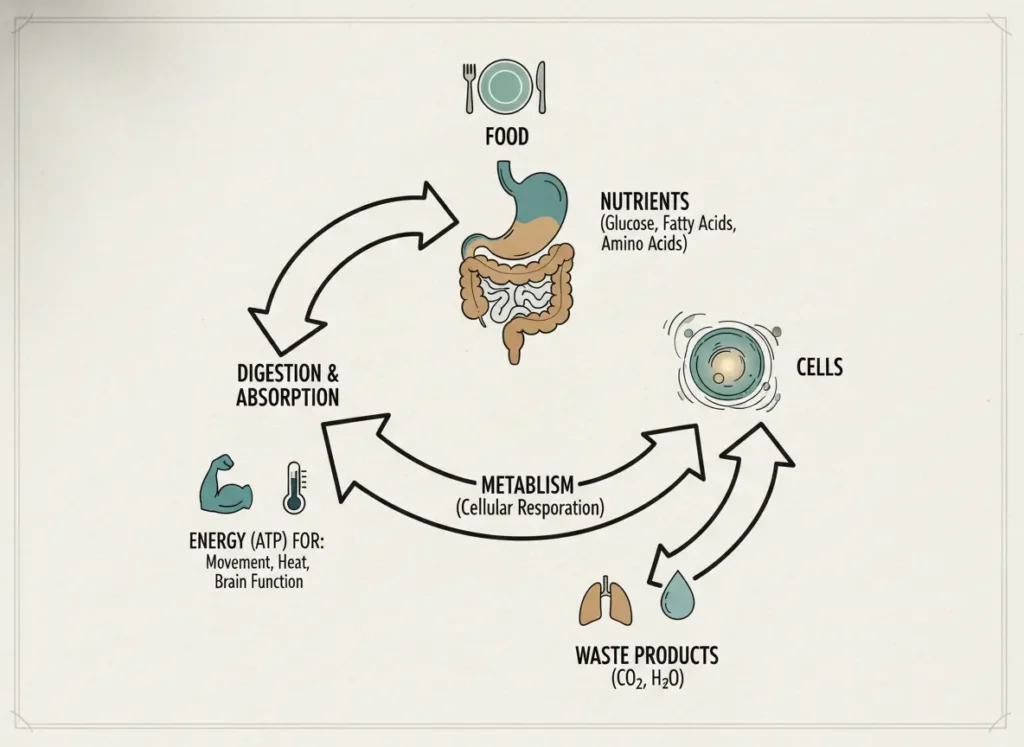
Metabolism is the collection of chemical reactions that keeps the body functioning.
These reactions convert nutrients into energy, build and repair tissues, regulate body temperature and support normal organ function.
Your basal metabolic rate, or BMR, is the energy your body uses at rest to maintain functions such as breathing, circulation and brain activity.
Total daily energy use includes:
- Basal metabolic rate
- Physical activity
- Exercise
- Digestion
- Routine movement and daily tasks
Muscle mass can influence resting energy use, but metabolic rate is also affected by age, body size, genetics, medications, hormone function and overall health.
The Two Core Processes of Metabolism
Metabolism includes two broad types of activity.
Catabolism
Catabolism breaks larger molecules into smaller components and releases energy.
Examples include:
- Breaking down carbohydrates into glucose
- Using stored glycogen for energy
- Breaking down fats into fatty acids
- Processing dietary protein into amino acids
Anabolism
Anabolism uses energy to build and repair structures in the body.
Examples include:
- Building muscle protein
- Repairing tissue
- Producing hormones and enzymes
- Storing glucose as glycogen
Both processes happen continuously and work together to maintain normal function.
What Determines Your Metabolic Rate
Metabolic rate varies from person to person.
Important factors include:
- Body size
- Lean muscle mass
- Age
- Biological sex
- Genetics
- Physical activity
- Food intake
- Sleep
- Medications
- Thyroid and other medical conditions
Hormones such as thyroid hormones, insulin, cortisol, estrogen and testosterone also participate in energy regulation, appetite and body composition.
However, weight changes or fatigue do not automatically prove that a hormone imbalance or damaged metabolism is present.
The pancreas and liver help regulate blood sugar, nutrient storage and energy availability. Concerns involving these organs or metabolic markers require appropriate clinical evaluation rather than assumptions based on symptoms alone.
Why Does My Metabolism Feel Slow?
People often describe their metabolism as slow when they experience weight gain, low energy, increased hunger or difficulty losing weight.
Possible contributors include:
- Reduced daily movement
- Loss of muscle mass
- Poor sleep
- Chronic stress
- Repeated restrictive dieting
- Inadequate protein intake
- Medication effects
- Menopause or age-related body-composition changes
- Thyroid or metabolic conditions
- Underestimating food or beverage intake
Weight loss may also slow as body weight decreases because a smaller body generally requires less energy.
A stalled scale does not necessarily mean that metabolism is damaged. Reviewing trends in food intake, movement, sleep, medications and health markers can provide more useful information. Patients struggling with persistent weight concerns can review provider-guided medical weight-loss options at Tucson Wellness MD.
How Hormones Affect Metabolism and Weight Loss
Hormones help regulate appetite, blood sugar, stress response, reproductive health, muscle mass and fat distribution.
Hormones commonly discussed in relation to weight include:
- Thyroid hormones
- Insulin
- Cortisol
- Estrogen
- Progesterone
- Testosterone
- Leptin and ghrelin
Symptoms alone cannot confirm a hormone disorder.
Fatigue, weight changes, low libido and mood concerns may also involve sleep, nutrition, medications, stress or another health condition.
Hormone therapy should only be considered when symptoms, medical history and appropriate testing support a clinical need. For symptoms that may involve hormone changes, explore provider-guided hormone evaluation and treatment.
Signs That Metabolic Health Needs Evaluation
Metabolic health is often assessed through medical history, physical measurements and laboratory findings rather than symptoms alone.
Speak with a provider if you experience:
- Persistent or unexplained fatigue
- Unexplained weight gain or loss
- Increased thirst or frequent urination
- Significant changes in appetite
- Persistent weakness
- Menstrual or hormone-related changes
- High blood pressure
- Elevated glucose or cholesterol results
- Symptoms that began after starting a medication
- Weight concerns that continue despite consistent habits
These concerns may involve thyroid function, blood sugar, sleep, medications, nutrient status or another condition.
They should not automatically be treated with metabolism supplements, detox programs or hormone therapy.
How to Support a Healthy Metabolism With Nutrition and Lifestyle

Healthy metabolism is supported by consistent habits rather than one food, supplement or short-term program.
Helpful priorities include:
- Eating enough protein
- Including fiber-rich carbohydrates
- Choosing vegetables, fruits and healthy fats
- Resistance training
- Regular daily movement
- Consistent sleep
- Managing stress
- Avoiding repeated crash diets
- Reviewing medication and medical contributors when needed
The best approach depends on the patient’s health history, body-composition goals, activity level and nutritional needs.
How to Build a Faster Metabolism That Lasts
Most metabolism advice focuses on short-term fixes. Crash diets, extreme exercise programs, and detox plans may produce temporary results but they do not build a faster metabolism permanently. What does work is creating consistent conditions that signal your body to produce and use energy more efficiently over time.
Build and Protect Muscle Mass
Muscle tissue uses energy at rest and supports strength, mobility and long-term body composition.
Resistance training may help preserve or build muscle, particularly during weight loss and as adults age.
Options may include:
- Free weights
- Resistance machines
- Resistance bands
- Bodyweight exercises
- Supervised strength programs
Training should reflect current ability, injuries and medical needs. Patients focused on strength and body composition can review Strength and Performance support.
Prioritize Protein at Every Meal
Protein supports muscle maintenance, recovery and fullness.
Examples include:
- Fish
- Poultry
- Eggs
- Greek yogurt
- Cottage cheese
- Beans
- Lentils
- Tofu
- Tempeh
Protein requires more energy to digest than fat, but this effect is modest and should not be presented as a shortcut to rapid weight loss.
Protein needs vary according to age, body size, activity and medical history.
Support Blood Sugar With Balanced Meals
Balanced meals may help some people manage hunger, energy and glucose response.
A meal may include:
- Quality protein
- Fiber-rich carbohydrates
- Vegetables or fruit
- Healthy fats
People with diabetes, insulin resistance or glucose-lowering medications may need individualized guidance on carbohydrate intake and meal timing.
Protect Your Sleep
Poor sleep may affect hunger, appetite, insulin sensitivity, energy and willingness to exercise.
Helpful sleep habits may include:
- Maintaining a consistent sleep schedule
- Reducing late caffeine
- Limiting screen exposure before bed
- Creating a dark and quiet sleep environment
- Discussing snoring or possible sleep apnea with a provider
Adults commonly need around seven to nine hours of sleep, although individual needs vary.
Manage Chronic Stress
Chronic stress may affect sleep, appetite, food choices, physical activity and overall consistency.
Helpful strategies may include:
- Regular movement
- Relaxation exercises
- Time outdoors
- Counseling or behavioral support
- Setting realistic work and recovery boundaries
- Maintaining social connection
Stress management supports overall health, but it is not a substitute for medical evaluation when symptoms persist.
Why Extreme Dieting May Work Against Long-Term Progress
Very restrictive diets may produce rapid weight loss, but they can also increase hunger, reduce training performance and make muscle preservation more difficult.
As calorie intake and body weight decrease, the body may use less energy. This is a normal adaptation rather than proof that metabolism has been permanently damaged.
A sustainable plan should provide enough protein, micronutrients and energy to support daily function while creating a realistic calorie deficit when weight loss is appropriate.
When to Get Medical Support for Metabolism
Medical evaluation may be appropriate when weight or energy concerns continue despite consistent nutrition, activity and sleep habits.
A provider may review:
- Weight and symptom history
- Current medications
- Sleep quality
- Nutrition and activity
- Blood pressure
- Blood sugar markers
- Cholesterol
- Thyroid function
- Hormone symptoms
- Nutrient status when indicated
Testing should be selected according to the patient’s symptoms and medical history rather than relying on one universal metabolism panel. For broader preventive evaluation and follow-up, explore Longevity Care at Tucson Wellness MD.
Personalized Metabolic and Weight-Loss Support in Tucson
Tucson Wellness MD can review weight concerns, fatigue, nutrition, activity, medications, sleep and relevant laboratory findings.
Depending on the patient’s needs, support may include:
- Nutrition and lifestyle guidance
- Medical weight-loss evaluation
- Body-composition review
- Hormone testing when indicated
- Metabolic health monitoring
- Strength and performance support
- Ongoing primary or longevity care
Treatment recommendations should be based on clinical findings rather than assumptions that every weight concern is caused by a slow metabolism.
Find Out What May Be Affecting Your Metabolism
Tucson Wellness MD can review your weight history, energy, sleep, medications, nutrition, activity and relevant laboratory findings. Your provider can help determine whether lifestyle support, medical weight loss, hormone evaluation or another form of care may be appropriate.
Schedule a Metabolic Health ConsultationFrequently Asked Questions About Metabolism
What causes a slow metabolism?
A slow metabolism can be linked to low muscle mass, poor sleep, chronic stress, thyroid changes, insulin resistance, under-eating, low protein intake, or certain medications. Many people try to fix it with extreme dieting, but that can make energy, hunger, and consistency harder to manage. A better approach starts with identifying what is affecting metabolism before choosing a plan.
Can hormones affect metabolism?
Yes, hormones help regulate appetite, blood sugar, fat storage, muscle mass, and energy use. Thyroid hormones, insulin, cortisol, estrogen, progesterone, and testosterone can all affect how the body manages weight and energy. When these signals are out of balance, weight loss may feel harder even with consistent diet and exercise.
How do you support metabolism naturally?
You can support metabolism with strength training, enough protein, consistent sleep, stress management, hydration, and balanced meals. Crash dieting or skipping meals may make energy and hunger harder to manage over time. If symptoms continue, lab testing can help identify whether hormones, nutrient levels, or other health factors are involved.
When should I see a provider for metabolism concerns?
You should consider seeing a provider if weight loss has stalled despite consistent nutrition, exercise, and lifestyle changes. Medical support may also help if you have fatigue, sleep issues, low libido, mood changes, blood sugar concerns, or symptoms of hormone imbalance. A provider can review labs, medications, symptoms, and health history to create a safer plan.
STAY HEALTHY – STAY CONNECTED