PRP Therapy Explained: How Platelet-Rich Plasma Supports Healing, Hair Restoration, and Skin Rejuvenation
Table of Contents
PRP therapy uses platelet-rich plasma from your own blood to support the body’s natural repair process. At Tucson Wellness MD, PRP may be used as part of a provider-guided plan for joint discomfort, soft tissue recovery, hair restoration, and skin rejuvenation.
This treatment is designed for patients who want a minimally invasive option that works with their own biology. PRP is not a one-size-fits-all solution, so results depend on your condition, treatment area, health history, and personalized care plan.
What Is PRP Therapy?
Platelet-rich plasma, or PRP, is prepared from a patient’s own blood by concentrating platelets and then applying or injecting the preparation into a targeted area. PRP has been studied for certain musculoskeletal injuries, hair loss and aesthetic applications, but evidence and expected results vary significantly by condition. A medical evaluation can help determine whether PRP is appropriate for a specific concern.
For complementary regenerative wellness options, you may also explore Peptide Therapy in Tucson to support recovery and performance.
What Is PRP? Understanding the Science of Natural Healing
To have PRP therapy explained simply, you must first understand the components of your blood. While blood is largely liquid (plasma), it also contains solid components: red cells, white cells, and platelets. Platelets are best known for their importance in clotting blood, but they also contain hundreds of proteins called growth factors which are vital for healing injuries.
PRP is prepared by processing a patient’s blood to produce plasma containing a higher concentration of platelets than whole blood. The exact platelet concentration can vary depending on the preparation system and protocol.
Platelets contain signaling proteins involved in normal clotting and healing processes. Researchers are studying how concentrated platelet preparations may affect different tissues and medical conditions.
Because PRP is prepared from the patient’s own blood, the risk of an allergic reaction to the PRP itself is generally low, although injection and procedure-related risks still remain. For more information about provider-guided treatment, explore Platelet-Rich Plasma Therapy at Tucson Wellness MD.
Related Regenerative and Aesthetic Services
PRP is one option within a broader personalized wellness plan. Patients interested in natural repair and recovery may also explore Platelet Rich Plasma PRP, regenerative medicine, stem cell therapy, exosome therapy, and medical microneedling.
Potential PRP Uses and What the Evidence Shows
Platelet-rich plasma treatment is incredibly versatile, bridging the gap between aesthetics and orthopedics. By stimulating the body’s repair mechanisms, PRP benefits a wide variety of patients. Here is why this therapy is a cornerstone of regenerative medicine:
Musculoskeletal Injuries
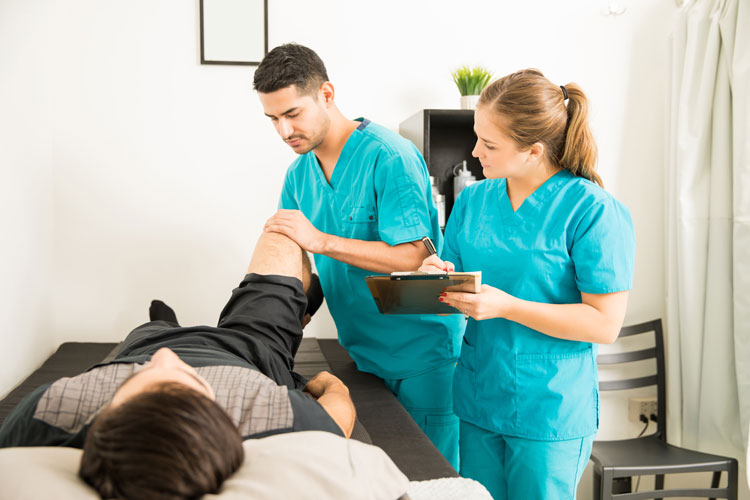
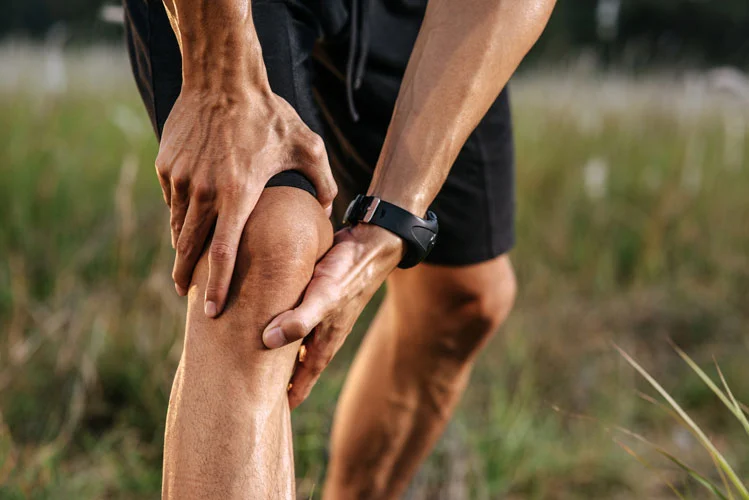
PRP has been studied for certain tendon, joint and soft-tissue conditions. Evidence differs considerably by diagnosis, and improvement is not guaranteed.
Hair Loss
PRP injections have been studied for androgenetic alopecia and may improve certain hair-density measures in some patients. Treatment response and protocols vary.
Skin and Aesthetic Applications
PRP is sometimes combined with procedures such as microneedling for aesthetic skin treatment. Research continues to evaluate its effects on skin texture, collagen remodeling and other cosmetic outcomes. Patients interested in aesthetic skin treatment can also learn about Medical Microneedling at Tucson Wellness MD.
Recovery
PRP is minimally invasive compared with surgery, but soreness, swelling, bruising and activity restrictions can still occur depending on the treatment site.
| PRP Application | What to Know |
|---|---|
| Joint or tendon concerns | Evidence varies by diagnosis |
| Hair restoration | Studied mainly for certain types of hair loss |
| Skin rejuvenation | Often combined with aesthetic procedures such as microneedling |
| Source | Prepared from the patient’s own blood |
| Results | Vary by condition and treatment protocol |
| Recovery | Temporary soreness, swelling or bruising may occur |
Safety and Precautions for PRP Therapy
- PRP should only be administered by trained medical professionals.
- Minor side effects may include injection-site pain, redness, or swelling.
- Patients with bleeding disorders or on anticoagulants should discuss risks with their provider.
- Multiple sessions may be required to achieve desired outcomes.
- Results may vary and are not guaranteed.
PRP Therapy Risks and Side Effects
Because PRP is prepared from the patient’s own blood, allergic reactions to the plasma itself are uncommon. However, PRP treatment still involves a medical procedure.
Possible effects and risks can include:
- Temporary pain or soreness
- Swelling
- Bruising
- Bleeding
- Infection
- Injury to surrounding structures depending on injection location
- Lack of meaningful improvement
Risks and recovery expectations vary according to the treatment area and procedure being performed.
The TWMD Experience: What to Expect During Your PRP Session
If you are looking for a PRP guide to the patient experience, the process is straightforward and minimally invasive. At Tucson Wellness MD, we prioritize your comfort and safety throughout the entire appointment.
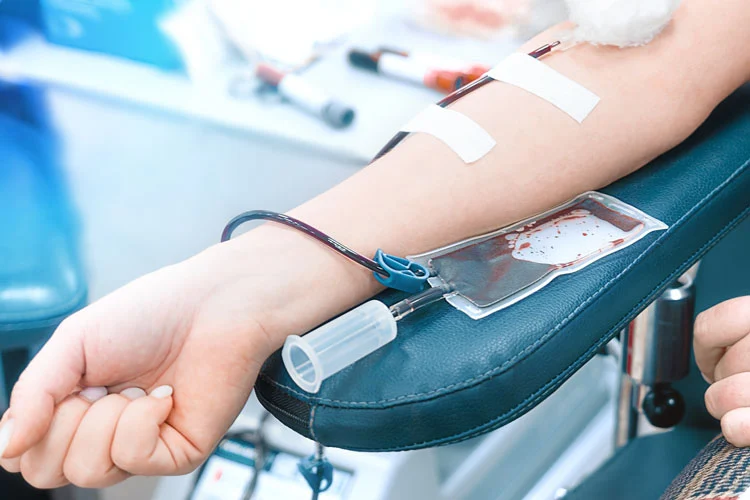
- The Collection: The process begins with a standard blood draw from your arm, similar to a routine lab test.
- The Concentration: We place your blood into a centrifuge, a machine that spins it rapidly to separate the fluids of different densities. This isolates the platelets from the other blood cells.
- The Treatment: The concentrated platelet-rich plasma is prepared for application. Depending on your goals, it is either injected directly into a joint or scalp, or applied topically during a microneedling session.
The entire appointment typically takes less than an hour. Because we use FDA-cleared technology and adhere to the highest medical standards, you can trust that you are receiving the highest quality care available.
Find Out Whether PRP Fits Your Goals
Tucson Wellness MD can review your injury, hair, skin or recovery concerns and discuss whether PRP therapy or another treatment approach may be appropriate.
Schedule a ConsultationIs PRP Therapy Right for You?
PRP is used across several areas of regenerative and aesthetic medicine, but results depend on the condition being treated, the preparation method and individual patient factors.
A provider can review your symptoms or treatment goals, previous treatments, health history and available evidence to determine whether PRP is an appropriate option.
Related Reading
- What Makes Regenerative Medicine Different From Traditional Care?
- Exosome Therapy Explained: Healing, Skin Rejuvenation, and Hair Restoration
- How Skin Rejuvenation Treatments Support Healthy Aging
Frequently Asked Questions
What is PRP therapy?
PRP therapy uses platelet-rich plasma prepared from a patient’s own blood. The concentrated preparation is injected or applied to a targeted area depending on the condition or procedure being treated.
What is PRP used for?
PRP has been studied for several applications, including certain tendon and joint conditions, some forms of hair loss and aesthetic skin procedures. Evidence and expected outcomes vary by use.
Does PRP regenerate damaged tissue?
PRP contains platelets and signaling proteins involved in normal healing, but it should not be described as reliably regenerating damaged cartilage, tendons or other tissues. Results vary considerably.
Does PRP work for hair loss?
PRP has been studied primarily for androgenetic alopecia, and some studies report improvements in hair-density measures. Individual response and treatment protocols vary.
Can PRP be used with microneedling?
PRP may be combined with microneedling in some aesthetic treatment protocols. The potential benefits, risks and appropriate treatment plan should be discussed with a qualified provider.
What are the side effects of PRP?
Possible effects include temporary soreness, swelling, bruising or bleeding. Infection and other procedure-related complications are possible but depend on the treatment area and technique.
How long does PRP take to work?
There is no universal timeline. Changes may occur gradually over weeks or months depending on the treatment area, condition and individual response.
How many PRP treatments do you need?
There is no single treatment schedule appropriate for every patient. The number and timing of treatments depend on the condition, treatment protocol and response.