Stress 101: Learning about Adrenal Health

You’re a parent working full-time. Your day starts early, getting the kids ready for school, rushing to work, and juggling a heavy workload with tight deadlines. After work, you’re back home, making dinner or grabbing a quick meal from the fast food joint up the road, helping with homework, managing activities, and taking care of the house. You’re constantly busy, stressed, and have little time to think, let alone eat. Financial worries and the pressure to keep it all together only add to the stress. Over time, this constant hustle feels like autopilot, leaving you exhausted, irritable, and burned out, affecting both your physical and mental health.

Does this sound familiar? This is a classic example of chronic stress, where the daily demands of work, parenting, and life keep piling up with no real break. The result is constant, unrelenting stress, which can lead to burnout, irritability, and symptoms such as headaches, weight fluctuations, anxiety, or disrupted sleep patterns.

stress

Understanding the Adrenal Glands

The adrenal glands are small organs located on top of your kidneys. They are responsible for producing and releasing a variety of hormones that regulate important functions in the body. You can think of these organs to be your body’s “stress helpers” because they make hormones that are important for energy, stress management, and keeping your body working smoothly.

Each adrenal gland has two main parts:

I. Adrenal Cortex (outer part): This is divided into three zones, each responsible for producing steroid hormones, including:

  • Cortisol (a glucocorticoid): Helps your body manage stress. These levels will be highest in the morning and gradually decline throughout the day.
  • Aldosterone (a mineralocorticoid): Regulates blood pressure by balancing salt and water levels in your body.
  • Androgens: Produced in small amounts, mainly as DHEA, a precursor for sex hormones.

Fun fact: The adrenal cortex hormones are made from cholesterol, which comes from both LDL and HDL cholesterol.

II. Adrenal Medulla (inner part): This part produces catecholamine hormones, such as:

  • Adrenaline (epinephrine): The “fight or flight” hormone that gives you a burst of energy in stressful or exciting situations.
  • Noradrenaline (norepinephrine): Works alongside adrenaline to help you respond quickly to stress.

These hormones, when produced and balanced properly, play a crucial role in keeping your body running smoothly. They help regulate things like blood sugar, blood pressure, help regulate your metabolism, immune system, response to stress and other essential functions. However, during times of prolonged stress, these hormones may go into overdrive. When adrenal hormone production becomes dysregulated, it may influence energy levels, stress response, and overall well-being.

Foods that Impact Adrenal

It’s understandable that after a stressful, busy day, you may reach for quick and convenient foods or turn to drinks to unwind and relieve the tension. Caring for your physical health is essential, but so is nurturing your mental and emotional well-being. A crucial factor in all of this is what you eat, and the quality of the foods you consume plays a significant role. You’ve likely seen this list before and might have scrolled past it thinking you “already know,” but here are the common dietary patterns that may increase stress load on the body.

stress-causing foods
  • Refined sugars including fructose from bananas and oranges, and corn syrups usually included in baked goods, soft beverages, and candies to name a few. Excess refined sugar intake is associated with weight gain, blood sugar instability, and increased inflammatory markers, which may place additional stress on the body.
  • Caffeine – Yep, it’s true! Consuming too much caffeine can disrupt your sleep-wake cycles, which are regulated by cortisol levels, trapping you in an endless loop of depending on caffeine to get through the day. Please the added refined sugars for flavoring does not help!
  • Alcohol Yep! It’s another source of internal stress, especially when consumed in excess.
  • Oils high in omega-6 fatty acids, such as corn and soybean oils, may contribute to an imbalance in fatty acid intake when consumed in excess.

Fun fact: these are commonly used at fast food restaurants!

  • Lifestyles high in red meats, saturated fats, and sodium contribute to plaque build up that contributes to inflammation.
  • Lifestyles rich in processed foods, like frozen meals, and refined grains, like white rice and pasta, lack the essential nutrients your body needs to function optimally. Refined grains are stripped of fiber and nutrients, which can cause unstable blood sugar levels, leading to insulin resistance and added stress on the adrenal glands.

If you haven’t noticed the pattern yet, here’s the key takeaway: These dietary patterns are associated with increased inflammatory markers and metabolic stress, which may influence insulin sensitivity over time.

Adrenal Care for Lasting Wellness at Tucson Wellness MD

At Tucson Wellness MD, we understand the complex role your adrenal health plays in overall well-being, and we’re here to support you every step of the way. Our approach to adrenal management goes beyond just treating symptoms; we offer personalized care designed to support stress management, promote hormonal balance, and improve overall wellness. With expert guidance, tailored treatments, and unwavering support, we help you take control of your adrenal health and feel your best. Whether you’re struggling with chronic stress, fatigue, or hormonal imbalances, Tucson Wellness MD is the place you can trust to guide you toward lasting wellness and a healthier, more vibrant life. Be sure to take advantage of this month’s special, IV therapies and nutritional supplements designed to support hydration, nutrient status, and stress resilience to help you stay balanced and energized throughout the holiday season!

CONNECT WITH ME!
Struggling with Weight: 3 Key Factors at Play

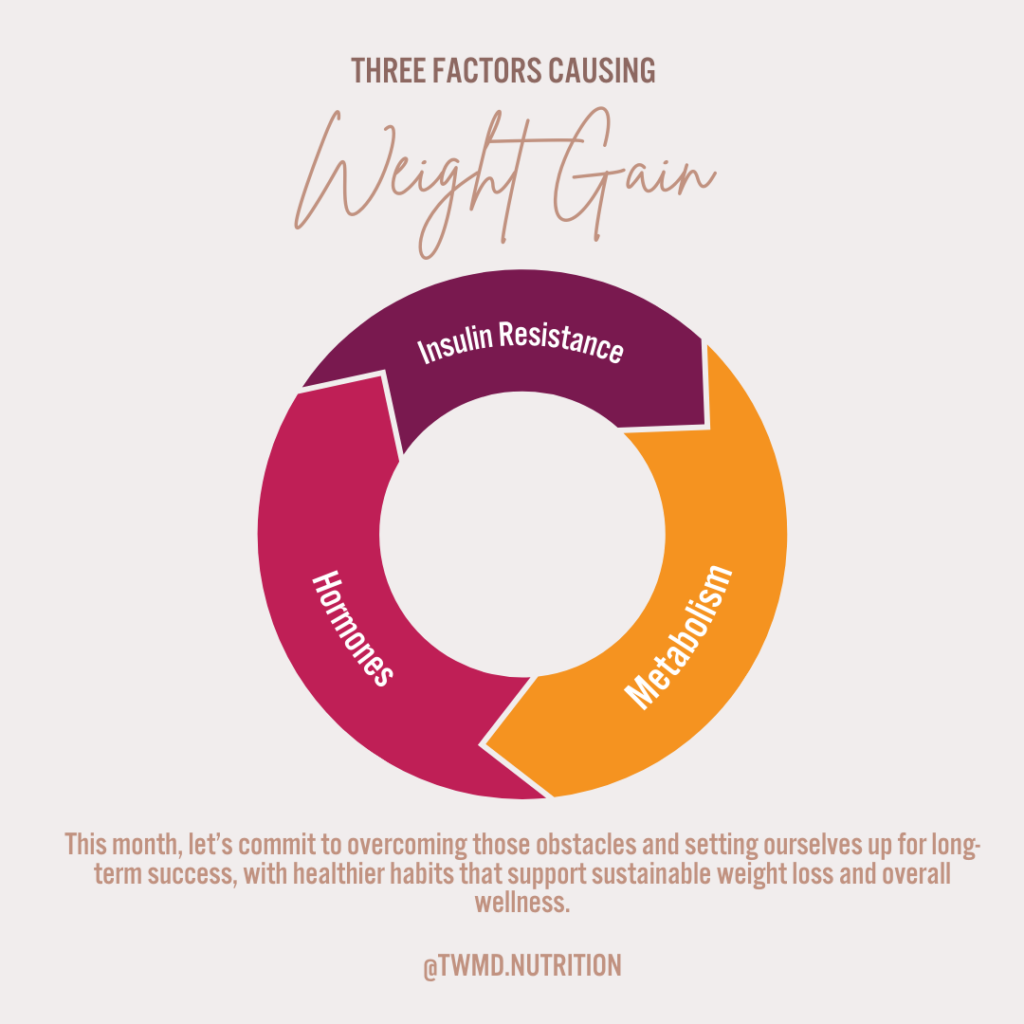
As we start a new month, it’s the perfect time to break free from the cycle of weight gain that can feel overwhelming and discouraging, especially if you want to avoid falling into the typical “New Year” pattern. Weight gain, insulin resistance, and hormonal imbalances often go hand-in-hand, creating a loop that slows metabolism and makes losing weight more difficult. But with the right approach, focusing on balanced nutrition, regular exercise, and targeted medical support, including hormone evaluation when appropriate, may help address underlying contributors to weight changes.

Why Does Weight Loss Feel Harder Than It Should Be?

When insulin resistance, metabolic changes, and hormone imbalances overlap, the body may become more prone to fat storage. Even consistent dieting and exercise can feel ineffective when these internal systems are working against you.

This month, let’s commit to overcoming those obstacles and setting ourselves up for long-term success, with healthier habits that support sustainable weight loss and overall wellness.

Understanding the Role of Insulin Sensitivity

weight cycle

Insulin is a hormone made by the pancreas that helps manage your blood sugar levels. After you eat, insulin allows your cells to take in glucose (sugar) from your blood, giving your body energy. It also helps store any extra glucose in the liver and muscles as glycogen, or converts it into fat for later use. In short, Insulin helps regulate blood sugar levels and works alongside other hormones that influence hunger and fullness.

However, when your body becomes less responsive to insulin, often due to factors like poor diet, lack of exercise, or stress, blood sugar levels rise. To compensate, the pancreas produces more insulin. This can lead to hyperinsulinemia, or excess insulin in the bloodstream, which can eventually result in insulin resistance or even type 2 diabetes. When there’s too much insulin in the body, it encourages the storage of glucose as fat, especially around the belly. And because insulin also plays a role in regulating hunger, high insulin levels can make you feel hungrier, leading to overeating, weight gain, and even more insulin resistance. It’s a tough cycle, but understanding how insulin works is the first step toward breaking it.

How Metabolism Slows and Affects Fat Burning

Metabolism is the process by which your body converts food into energy to perform essential functions like breathing, thinking, and moving. It involves two key parts: catabolism, which breaks down food into smaller molecules (like glucose or fatty acids) to release energy, and anabolism, which uses that energy to build and repair cells, tissues, and muscles, as well as store energy for later use. Insulin is considered an anabolic hormone due to its role in promoting the uptake of glucose from the bloodstream into cells, particularly muscle and fat cells, thereby lowering blood sugar levels; it also stimulates the storage of glucose as glycogen in the liver, and influences protein and fat synthesis by promoting their uptake and production within cells.

When metabolism changes, it can either speed up or slow down. A slower metabolism means your body burns calories less efficiently, both at rest and during activity, leading to increased fat storage. Insulin resistance often accompanies metabolic changes and may make weight management more challenging.

weight

The Role of Thyroid, Ghrelin, and Leptin in Appetite

Hormones are like chemical messengers that control many important processes in your body, including metabolism. While we’re familiar with how insulin impacts metabolism, there are other hormones that play a key role as well, including:

  • Thyroid hormones
  • Ghrelin & Leptin
  • Sex hormones
thyroid weight

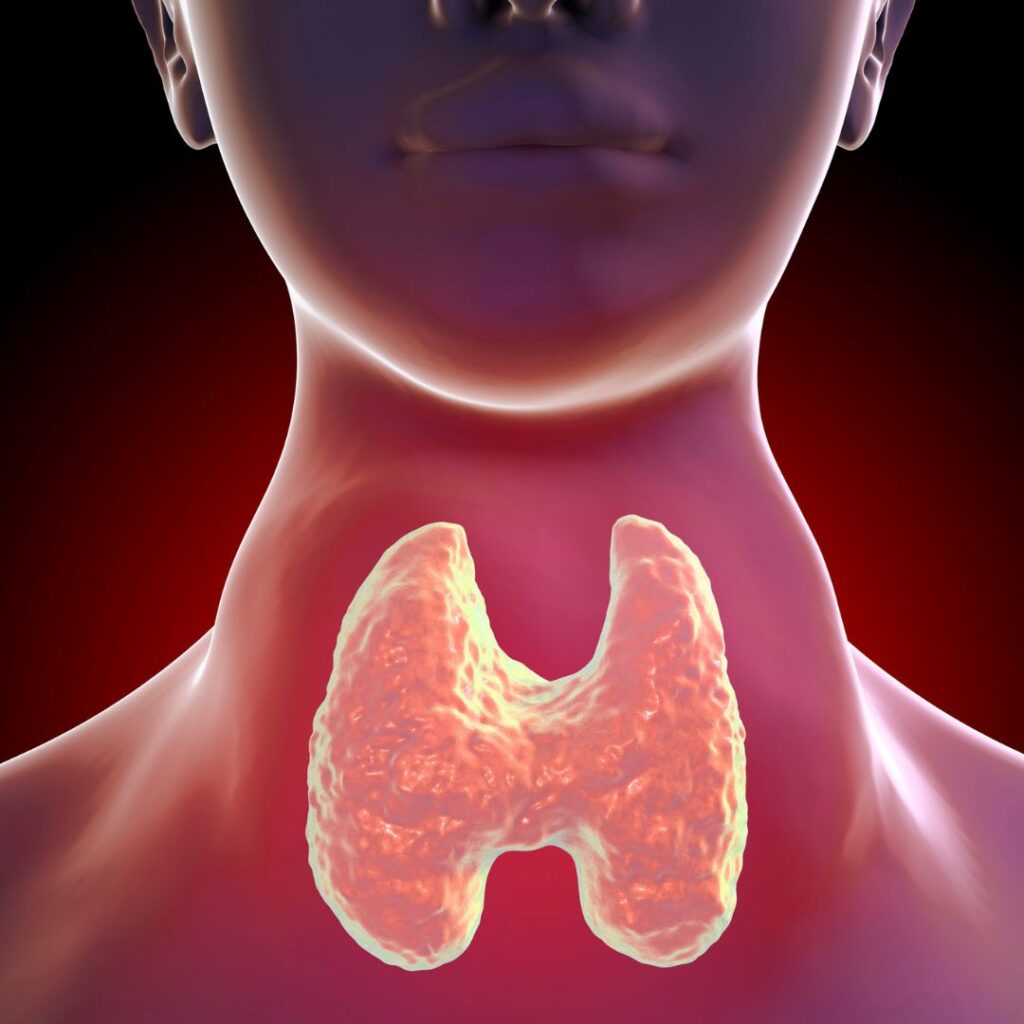
Thyroid hormones play a key role in how your body uses energy, stays warm, and keeps your brain, heart, muscles, and other organs functioning, this is your basal metabolic rate (BMR). They also help regulate metabolism: too much thyroid hormone (hyperthyroidism) can make your metabolism “run fast,” while too little (hypothyroidism) can slow it down.

Ghrelin, the “hunger hormone,” is produced in your stomach and tells your brain when it’s time to eat, making you feel hungry. Its levels rise before meals and drop afterward to control short-term appetite. Ghrelin also impacts digestion speed and can influence fat storage. Fun fact: cortisol, the stress hormone, can boost ghrelin levels, leading to a bigger appetite.

Leptin, the “fullness hormone,” is made by fat cells and tells your brain when you’re full and have enough energy. It plays a key role in long-term weight management by reducing hunger and increasing energy expenditure. However, in cases like obesity, the body can become resistant to leptin, leading to ongoing hunger and impaired metabolism, even with high leptin levels.Together, these hormones regulate appetite, digestion, and metabolism, all of which are crucial for managing weight.

Hormonal imbalances can make weight management more challenging by impacting metabolism, appetite, and fat storage. As weight increases, these imbalances often get worse, creating a cycle that’s hard to break. Balanced sex hormones play an important role in fat distribution, muscle maintenance, and metabolic regulation. As women age, estrogen levels naturally decline, especially after menopause, which can increase the risk of insulin resistance. It’s important to monitor your hormone levels because having too much of either estrogen or testosterone can also contribute to insulin resistance.

Remember that weight gain often leads to insulin resistance, which results in excess glucose being stored as fat. With a disrupted metabolism, your body struggles to burn this stored fat for energy, causing it to accumulate. This fat accumulation disrupts hormonal balance, creating a cycle of ongoing metabolic issues and altered hormone levels.

happy weight

Medical Weight Loss Support Available in Tucson

These three factors create a cycle where weight gain worsens insulin resistance and hormonal imbalances, further slowing metabolism and making weight management more challenging. Long-term weight management isn’t just about diet and exercise, it’s about taking a holistic approach to your health. This includes monitoring your hormone levels, eating nutritious foods, staying active, managing stress, getting enough sleep, and reducing exposure to toxins.

By addressing these factors, we aim to support sustainable weight management and overall metabolic health. Ready to lose those extra pounds? Ask our team about our weight loss services! Our clinic offers medically supervised weight management options. Ask our team about current programs and whether prescription-based treatments may be appropriate for you.

Frequently Asked Questions

Why does weight gain feel so hard to reverse?
Weight gain often creates a cycle involving insulin resistance, slowed metabolism, and hormonal imbalance. Each factor reinforces the others, making fat loss harder even with diet and exercise.

What role does insulin play in weight gain?
Insulin helps move glucose into cells for energy. When insulin levels stay high, excess glucose is stored as fat, especially around the abdomen. High insulin also increases hunger, which leads to overeating.

What is insulin resistance?
Insulin resistance occurs when cells stop responding properly to insulin. The body compensates by producing more insulin, which promotes fat storage and makes weight loss more difficult.