When Should I Start Peptides? Signs to Discuss Therapy

Quick Answer

When should I start peptides?

You may consider discussing peptide therapy when lifestyle changes are not improving concerns like low energy, slow recovery, poor sleep, weight-loss resistance, reduced performance, or age-related wellness changes. Peptides should not be started casually or without medical guidance because treatment choice, dosing, product quality, and monitoring affect safety.

Signs Peptides May Be Worth Discussing With a Provider

Peptide therapy is not the first step for everyone. A provider can help determine whether your symptoms point to peptide therapy, hormone evaluation, nutrient support, sleep improvement, weight-loss care, or another treatment path.

Sign or GoalWhy It May MatterWhat to Discuss With a Provider
Low energyOngoing fatigue may be linked to sleep, hormones, nutrition, stress, or metabolic health.Ask whether labs, hormone review, NAD therapy, or peptides may be appropriate.
Slow recoveryPoor recovery may affect training, mobility, sleep, and quality of life.Review recovery goals, inflammation, injury history, and peptide options.
Weight-loss resistancePlateaus may involve appetite, hormones, metabolism, muscle mass, or medication factors.Discuss medical weight-loss options, peptide therapy, and nutrition planning.
Reduced performancePerformance changes may reflect sleep, recovery, hormone changes, or training stress.Ask whether peptide therapy, hormone support, or recovery planning fits your goals.
Healthy aging goalsSome patients ask about peptides for longevity, cellular signaling, and wellness support.Review longevity care, labs, safety, and realistic expectations.

Depending on your goals, Tucson Wellness MD may discuss peptide therapy, NAD therapy, medical weight loss support, longevity care, or hormone support.

When Peptides May Not Be the First Step

Peptide therapy may not be the best starting point if you have not yet addressed sleep, nutrition, protein intake, strength training, stress, hydration, hormone balance, or basic lab testing. Symptoms like fatigue, weight gain, poor recovery, or low libido can come from several causes, so guessing with peptides can delay the right care.

A provider-guided consultation helps determine whether peptides are appropriate or whether another treatment option should come first.

Find Out If Peptide Therapy Fits Your Goals

Schedule a peptide therapy consultation with Tucson Wellness MD to review your symptoms, health history, labs, and treatment options.

Explore Peptide Therapy

Provider consultation required before treatment.

What are peptides supplements?

Peptides are short chains of amino acids that occur naturally in the body and are involved in many biological processes. Certain peptide-based products may be prescribed under medical supervision when clinically appropriate. Some individuals explore peptide therapy as part of a medically supervised wellness plan. Individual outcomes vary when taken as part of a consistent routine.

Depending on the specific peptide and medical evaluation, therapy may be discussed for select concerns under physician supervision. Results are individualized and not guaranteed. At what age should you start taking peptides to receive these benefits? Peptide therapy should only be considered after medical evaluation to determine clinical appropriateness, regardless of age.
when to take peptides

There are many peptides, including growth factors, cytokines, and hormones. These molecules play an essential role in supporting the body’s healthy functioning.

Some studies have evaluated certain peptides for cosmetic and dermatologic applications. Outcomes depend on the individual and formulation. For this reason, it is recommended that individuals start adding consumable peptides or peptide therapy to their routine in their 20s or 30s.

Keep in mind, it’s never too late to start taking peptides. No matter your age, Specific peptides may influence biological pathways when prescribed under medical supervision. Treatment decisions are based on individualized evaluation and medical necessity.

What are Peptides?: Amino Acids

Peptides are compounds of two or more amino acids joined by peptide bonds. These bonds form between the nitrogen atoms in each amino acid and the carbon atoms in the adjacent molecule.

peptide therapy

The peptide bond is a covalent linkage formed through a transamination reaction, which is a chemical reaction involving the transfer of a hydrogen atom from one molecule to another.

This type of reaction is often used to link amino acids to form protein molecules. The peptide bond strengthens proteins and other macromolecules and allows these molecules to hold specific shapes and functions.

Peptides are essential components of all living organisms, with many naturally occurring peptides found in foods such as fruits, vegetables, and meats. In addition, Certain peptide-based medications are approved for specific medical uses under regulatory oversight. Availability depends on FDA approval status and clinical indication.

Peptide Therapy and Human Growth Hormone

Peptides have an essential effect on the human growth hormone (HGH). HGH is a hormone the pituitary gland produces that is critical in growth and development. It is known to decline with age but can be stimulated by certain nutritional factors or physical activities.

growth hormone

Some peptides are studied for their interaction with hormonal pathways. Use is limited to specific clinical situations and requires careful monitoring.

Hormonal disorders should be evaluated by a qualified healthcare professional. Not all peptide therapies are approved for endocrine or metabolic conditions.

HGH vs IGF-1

IGF-1, or insulin-like growth factor, is another consideration for retaining muscle mass. HGH possesses some extra advantages to IGF-1 but takes longer to produce effects. IGF-1 works immediately but may not have as desirable effects. Hormone levels should only be addressed through medically indicated treatment and appropriate monitoring.

When to Take Peptides: Timing and Life Stage

Two separate questions often get conflated here. The first is when in life you should consider peptide therapy. The second is when during the day you should take it. Both matter, and neither has a one-size-fits-all answer.

When in life to start

Peptide production particularly growth hormone-related peptides begins declining in your late 20s to early 30s. This is typically when recovery slows, body composition becomes harder to manage, and energy levels start shifting. For this reason, many patients begin exploring peptide therapy in their 30s, not because it’s required, but because that’s when the biological case for support first becomes relevant.

That said, there’s no hard cutoff in either direction. Patients in their 40s, 50s, and beyond can still respond well to peptide protocols provided their labs support it. Age alone doesn’t determine candidacy. Your hormone panel does.

When during the day to take them

Timing depends on the specific peptide and your goal:

Peptide typeOptimal timingWhy
Growth hormone secretagogues (CJC-1295, Ipamorelin)Before bedGH naturally peaks during deep sleep — dosing beforehand amplifies this
BPC-157Morning or post-workoutSupports recovery when tissue repair demand is highest
PT-1411–2 hours before as neededTime-sensitive activation window
Collagen peptidesPost-workout or with mealsSupports structural repair when protein synthesis is elevated

The rule that applies to all of them

Consistency beats precision. Missing doses disrupts peptide levels and reduces cumulative effect. If the “optimal” timing doesn’t fit your schedule reliably, a slightly suboptimal time you can stick to every day will outperform perfect timing you follow inconsistently.

Timing adjustments should be made with your provider based on your specific protocol and labs, not based on general guidelines.

Common Peptides Patients Ask About

Patients often ask about peptides related to recovery, body composition, skin health, and hormone-related wellness. Examples may include growth hormone secretagogues, recovery-focused peptides, and cosmetic peptides, depending on the patient’s goals and medical eligibility. Each peptide works differently, so treatment should never be chosen from online lists alone. A provider should review symptoms, labs, medication history, and risk factors before recommending any protocol.

Find Out If Peptide Therapy Fits Your Goals

Schedule a peptide therapy consultation with Tucson Wellness MD to review your symptoms, health history, labs, and treatment options.

Explore Peptide Therapy

Provider consultation required before treatment.

Peptide Therapy in Tucson: Why Medical Evaluation Comes First

Patients in Tucson often look into peptide therapy because they want help with recovery, energy, weight management, or age-related changes. The safest first step is not choosing a peptide online, but scheduling a clinical evaluation. Bloodwork helps identify whether symptoms relate to hormones, metabolism, inflammation, nutrient levels, or another health issue. This gives your provider a better foundation for deciding whether peptide therapy fits your health goals.

Peptide Therapy with Tucson Wellness MD

At Tucson Wellness MD, we empower you to live the life you want by giving you the tools and the medical care needed to help you support long-term health and overall wellness.

Whether you want to support body composition goals under medical supervision, take advantage of our beauty services, or discuss non-surgical options where clinically appropriate, Tucson Wellness MD is interested in your best self.

We believe in a scientific, evolutionary approach to health and modern pain relief. As a result, we use only the most advanced, We source medications from licensed pharmacies in accordance with regulatory standards.

Health should fit your lifestyle, and we will work with you to create a plan that meets your needs and improves your quality of life.

We invite you to learn more by continuing to explore our website.

Peptide FAQs:

What do Peptides do for the body?

Peptides are involved in many biological processes within the body. Clinical use depends on the specific peptide and medical indication.

In addition to supporting overall health and well-being, peptides can help support various bodily functions, such as digestion and bone formation.

What do peptides do for your skin?

Certain topical peptides are used in cosmetic formulations and are intended to support overall skin appearance and enhance the appearance of skin tone and texture.

What foods are high in Peptides?

Peptides are naturally occurring in the proteins of both animal and plant foods, including eggs, milk, meat, fish and shellfish, beans and lentils, soy, oats, and flaxseeds.

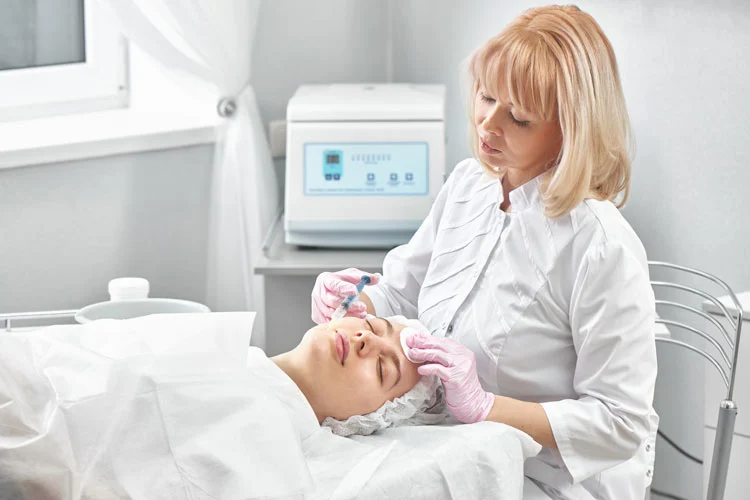
How Peptide Therapy Works: Benefits, Uses, Safety, and What to Expect

Peptide therapy involves the medical use of specific amino-acid compounds that interact with selected receptors and biological pathways. Different peptide-based treatments may affect appetite, growth hormone signaling, blood sugar regulation, recovery, tissue response or other functions.

Because peptides have different mechanisms, approval status, evidence and safety concerns, treatment should not begin with choosing a popular compound from an online list. It should begin with identifying the patient’s health concern and determining whether peptide therapy is appropriate.

This guide focuses on what happens before treatment, how peptide therapy may be administered, what providers monitor, possible side effects, realistic timelines and when treatment should be changed or stopped.

For a basic introduction to peptide terminology, read Peptide Therapy 101. For a simpler beginner overview, read Peptide Therapy 101.

Quick Answer

What Should You Expect From Peptide Therapy?

Peptide therapy should begin with a medical evaluation of your symptoms, health history, medications, goals and relevant laboratory findings. When treatment is appropriate, the provider selects a specific peptide, administration method, dose, monitoring plan and stopping criteria. Results, side effects and timelines vary by compound. Peptide therapy is not one uniform treatment, and patients should avoid generic protocols or products purchased through unverified online vendors.

Who May Be Evaluated for Peptide Therapy?

Peptide therapy may be discussed when a patient has a defined treatment goal that could reasonably involve a specific peptide-based medication or protocol.

Evaluation may be appropriate for selected patients interested in:

  • Medically supervised weight management
  • Appetite or metabolic treatment
  • Growth hormone-related assessment
  • Recovery or body-composition support
  • Visceral-fat treatment for an appropriate medical indication
  • Selected regenerative or tissue-support discussions
  • Performance and longevity planning

Fatigue, low energy, poor sleep or slow recovery do not automatically establish a need for peptide therapy. These symptoms may involve thyroid dysfunction, low testosterone, menopause, anemia, nutrient deficiencies, sleep apnea, medication effects or overtraining.

The provider should first determine whether peptide therapy, another medication, lifestyle changes or treatment of an underlying condition is the more appropriate path.

PeptidePrimary FunctionCommon Use
BPC-157Tissue repair and gut healingJoint injuries, tendon damage, post-surgical recovery, GI inflammation
SermorelinGrowth hormone releaseAnti-aging, improved sleep, body composition, recovery
CJC-1295Sustained growth hormone stimulationMuscle development, fat loss, deeper sleep cycles
IpamorelinTargeted growth hormone pulseRecovery, lean muscle support, minimal side effects compared to other GH secretagogues
SemaglutideGLP-1 receptor activationMedical weight loss, appetite regulation, blood sugar control
Thymosin Alpha-1Immune system modulationImmune support, chronic infection management, autoimmune conditions

Peptide therapy is not a one-size-fits-all treatment. Protocols are built around your specific lab work, health history, and treatment objectives. All peptides at Tucson Wellness MD are prescribed and monitored by a licensed medical provider.

Peptide therapy restores targeted signaling pathways by supplying specific amino acid sequences that activate defined biological responses. These peptides bind to cellular receptors and trigger processes such as hormone release, protein synthesis, tissue regeneration, and immune modulation. With restored signaling activity, the body resumes more efficient repair, regulation, and metabolic balance under medical supervision and controlled dosing.

Common Peptides and Their Potential Uses

Peptide or TreatmentCommon Area of InterestImportant Limitation
Semaglutide and related medicationsAppetite, blood sugar regulation and medical weight managementEligibility, contraindications and gastrointestinal effects must be reviewed
SermorelinGrowth hormone signaling and selected recovery or body-composition goalsNot a general treatment for every age-related symptom
Ipamorelin or CJC-1295Growth hormone-related pathways, recovery and body compositionEvidence, availability and regulatory status vary
TesamorelinA specific medical indication involving excess abdominal fat in adults with HIV-associated lipodystrophyIts approved indication should not be generalized to routine weight loss
BPC-157 and TB-500Frequently researched for tissue or recovery supportHuman evidence and regulatory limitations remain important
MOTS-c and other research peptidesMetabolic and cellular-energy researchInvestigational findings should not be presented as proven outcomes

One peptide’s evidence, safety profile or approved use does not apply automatically to another peptide.

Peptide Therapy Benefits for Energy, Recovery, and Wellness

Potential GoalHow Treatment May Be EvaluatedWhat It Cannot Guarantee
Weight managementAppetite, metabolic health, weight trends and medication toleranceAutomatic or permanent weight loss
RecoveryTraining load, sleep, pain, injury history and the specific treatmentRapid healing or return to activity
Body compositionWaist measurements, lean mass, fat mass, nutrition and activitySteroid-like muscle growth without risk
Hormone signalingSymptoms, relevant laboratory findings and compound-specific monitoringCorrection of every fatigue, sleep or aging concern
Healthy-aging planningRecovery, metabolic health, strength, sleep and long-term risk factorsReversal of aging or guaranteed longevity

How to Know If Peptide Therapy Is Right for You

Peptide therapy is not a one-size-fits-all treatment. The right option depends on what you want to improve, your medical history, current symptoms, medications, lifestyle habits, and lab markers when needed.

A provider may review:

  • Your main wellness goals
  • Current symptoms
  • Health history
  • Medications and supplements
  • Sleep, stress, exercise, and nutrition habits
  • Weight and body composition goals
  • Hormone or metabolic markers
  • Possible side effects or contraindications
  • Whether another treatment may be a better fit

This process helps match the treatment to your actual needs instead of choosing a peptide based only on trends or online advice.

What Peptide Therapy Does Inside the Body

 Peptide therapy involves the medical use of specific peptides that are prescribed based on an individual evaluation and clinical need.

peptide therapy

 Peptide therapy may be considered as part of a physician-guided wellness plan focused on age-related hormonal and metabolic changes.

 Peptides are being studied for their role in cell signaling and tissue function. Treatment plans are individualized and based on medical evaluation.

As you age, your body slows human growth hormone production. Growth hormone releasing hormone plays a part in many different aspects of health and well-being, including:

peptide therapy

How Providers Select a Peptide Treatment

Selecting a peptide requires more than matching one symptom to one compound. The provider should consider the patient’s diagnosis, health history, medications, treatment goals and available evidence.

Symptoms and Treatment Goals

The provider should determine whether the primary concern involves weight, appetite, metabolic health, recovery, hormones, body composition or another issue.

Medical and Medication Review

Pregnancy status, cancer history, cardiovascular health, kidney function, diabetes, allergies and current medications may affect treatment eligibility.

Laboratory Testing

Testing depends on the treatment being considered. It may include metabolic, hormone or other markers when clinically appropriate. Not every patient requires the same panel.

Product and Regulatory Status

The provider should explain whether the treatment is FDA approved for the intended use, compounded under appropriate circumstances or investigational.

Monitoring Plan

The plan should identify what outcome will be measured, how side effects will be monitored and when treatment should be changed or discontinued.

Potential Side Effects and Safety Considerations

Peptide-related risks vary according to the compound, dose, formulation, administration route and patient.

Possible side effects may include:

  • Injection-site irritation
  • Nausea or digestive symptoms
  • Appetite changes
  • Headache or fatigue
  • Fluid retention
  • Changes in blood sugar
  • Hormone-related effects
  • Allergic reactions
  • Medication interactions

Prescription peptide therapy, over-the-counter collagen or peptide supplements, topical skincare peptides and research compounds are not equivalent products.

Additional risks may come from:

  • Incorrect dosing
  • Contaminated or mislabeled products
  • Improper storage
  • Unverified online vendors
  • Combining multiple compounds
  • Continuing treatment without reassessment

Patients should contact their provider about severe, persistent or unexpected symptoms.

How Is Peptide Therapy Administered?

The administration route depends on the specific treatment and formulation.

Peptide-based treatments may be provided through:

  • Subcutaneous injection
  • Oral medication
  • Nasal delivery
  • Topical formulation
  • Other compound-specific routes

Not every peptide is effective through every route. Patients should use only the formulation, concentration and instructions supplied by their provider and pharmacy.

Do not convert doses, change administration routes or follow injection instructions from online forums.

What to Expect Before Starting Peptide Therapy

Before treatment, the provider may review:

  • Primary symptoms and treatment goals
  • Medical and surgical history
  • Prescription medications and supplements
  • Pregnancy or breastfeeding status
  • Hormone and metabolic concerns
  • Current nutrition, sleep and activity
  • Relevant laboratory findings
  • Previous treatment response
  • Potential contraindications
  • Product source and administration method

The consultation should also explain expected benefits, evidence limitations, possible side effects, treatment cost, follow-up schedule and stopping criteria.

What Providers Monitor During Peptide Therapy

Monitoring depends on the compound and treatment goal.

Providers may track:

  • Symptoms and side effects
  • Weight or appetite
  • Waist measurements and body composition
  • Sleep and recovery
  • Blood pressure
  • Blood sugar or metabolic markers
  • Hormone-related laboratory results
  • Injection-site reactions
  • Medication changes
  • Whether the expected benefit justifies continued treatment

Treatment should not continue indefinitely without checking whether it remains necessary, effective and safe.

Why Medical Supervision Matters With Peptide Therapy

Medical supervision helps match the treatment to a defined health goal and reduces risks related to inappropriate compound selection, incorrect dosing, medication interactions and poor-quality products.

A provider can also determine whether symptoms are more likely to improve through another treatment. Fatigue, poor sleep, weight changes and slow recovery may involve thyroid disorders, menopause, low testosterone, anemia, medication effects or other conditions.

Provider guidance does not make every peptide risk-free. It creates a structured process for evaluating eligibility, monitoring response and stopping treatment when the expected benefit is not achieved.

Peptide Therapy Support in Tucson

Tucson Wellness MD evaluates peptide therapy according to the exact treatment goal, health history, medications, symptoms and relevant laboratory findings.

When treatment is appropriate, the plan should identify the specific compound, administration route, expected outcome, monitoring schedule and conditions for adjusting or stopping therapy.

Patients can review the clinic’s Peptide Therapy service for additional treatment and consultation information.

Understand What Peptide Therapy Would Involve

Tucson Wellness MD can review your health history, symptoms, medications, laboratory findings and treatment goals before recommending a peptide plan. You will receive guidance on the exact compound, administration method, monitoring needs, potential risks and realistic expectations.

Schedule a Peptide Therapy Consultation

Peptide Therapy Treatment FAQs

What happens during a peptide therapy consultation?

The provider reviews your symptoms, goals, medical history, medications and relevant laboratory findings. The consultation should determine whether peptide therapy or another treatment is appropriate.

How is peptide therapy administered?

Administration depends on the treatment and may include subcutaneous injection, oral medication, nasal delivery or topical products. Patients should follow the exact provider and pharmacy instructions.

How long does peptide therapy take to work?

The timeline depends on the compound, dose, goal, health status and response. Some changes may appear within weeks, while other outcomes require longer monitoring.

How long do patients stay on peptide therapy?

Treatment duration varies. The plan should include a review date, measurable goals and criteria for continuing, adjusting or stopping therapy.

What are the side effects of peptide therapy?

Possible side effects include injection-site irritation, nausea, appetite changes, fatigue, headache, fluid retention, blood-sugar changes or other compound-specific effects.

Does peptide therapy require laboratory testing?

Testing depends on the peptide and treatment goal. Metabolic, hormone or other laboratory markers may be appropriate before or during treatment.

Are all peptide treatments FDA approved?

No. Some peptide-based medications have approved medical uses, while many compounds promoted for recovery, bodybuilding or anti-aging are investigational or unapproved for those purposes.

Can peptide therapy interact with medications?

Yes. Risks vary by compound and medication. Providers should review prescriptions, over-the-counter medications and supplements before treatment.

When should peptide therapy be stopped?

Treatment may need to stop when side effects become significant, risks outweigh benefits, the intended result is not achieved or the patient’s health or medications change.

Can I purchase peptide therapy online?

Patients should avoid unverified online vendors and products labeled only for research use. Products may be contaminated, mislabeled, incorrectly dosed or improperly stored.