Month: September 2024

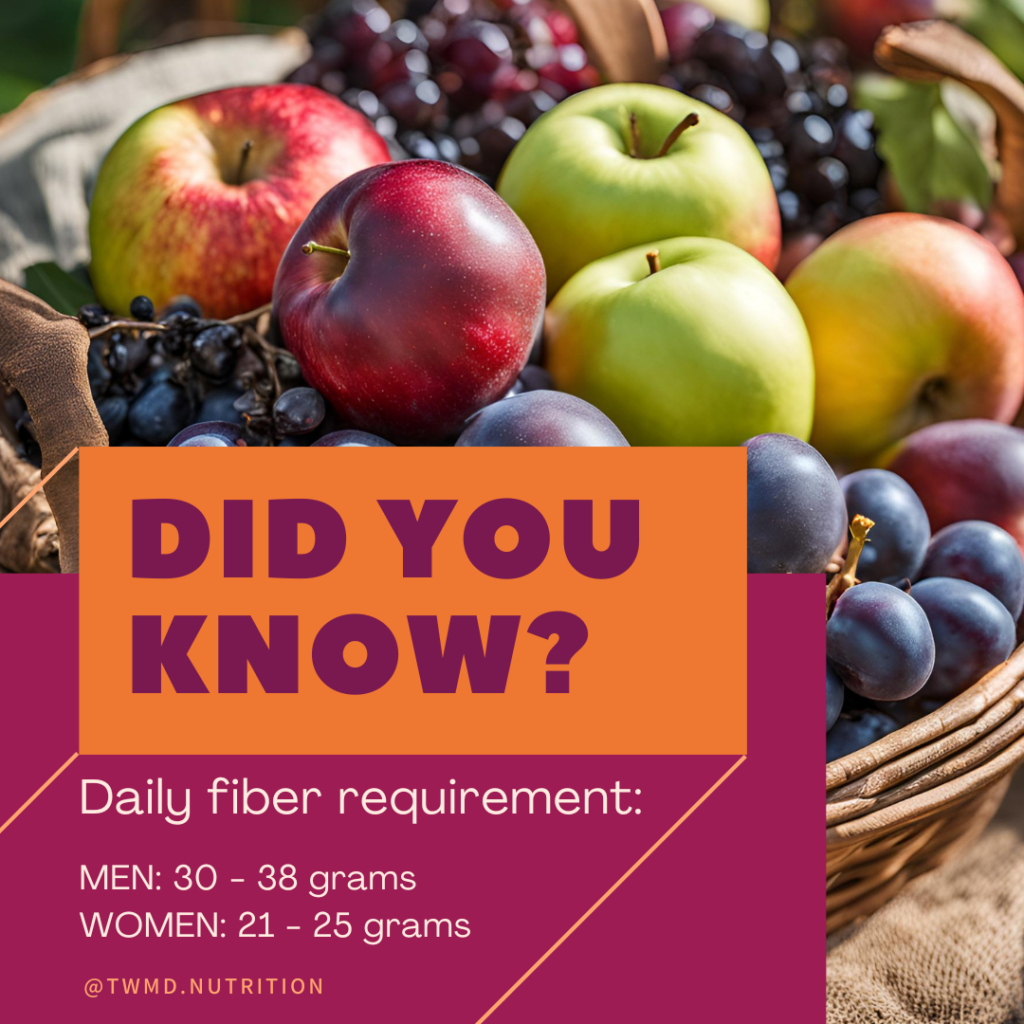
High Fiber Foods for Weight Loss: What You Need to Know

Both soluble and insoluble fiber play important roles in digestive health and are associated with overall metabolic wellness.

Why Do Low-Fiber Diets Make Weight Loss Harder Than It Should Be?

Low fiber intake can lead to poor satiety, frequent hunger, and unstable blood sugar patterns that drive overeating. Without enough fiber, meals may feel less filling, making it harder to maintain consistent eating habits that support weight goals.

Eating more fiber-rich foods like fruits, vegetables, whole grains, and legumes may support healthy eating patterns that align with weight management goals. Chronic inflammation and insulin resistance are associated with changes in glucose metabolism and lipid balance.

Maintaining a healthy weight is associated with improved metabolic markers and overall health. Both types of fiber play important roles in lowering these responses: Soluble fiber slows digestion and may contribute to feelings of fullness, which can support mindful eating habits. Insoluble fiber adds bulk to stool and supports digestive regularity. High-fiber foods often provide volume and satiety with relatively fewer calories compared to highly processed foods.

Fiber intake is associated with the release of satiety-related hormones such as PYY and GLP-1, which are involved in appetite regulation. Fiber-rich foods often require more chewing (like oatmeal), which slows down your eating and gives your body time to register that you’re full.  Certain types of fiber interact with fats and carbohydrates during digestion and may influence nutrient absorption patterns.

Diets low in fruits and vegetables are often lower in fiber and associated micronutrients. Foods such as meat and processed items are high in sulfur and produce acids that increase body acidity.

Insufficient fiber intake may influence the production of short-chain fatty acids, which play a role in gut health. Metabolic acidosis is a medical condition that requires clinical evaluation and is distinct from normal dietary acid load. Chronic inflammation can lead to metabolic changes in the body that can alter your quality of life. Higher fiber intake is associated with favorable inflammatory marker patterns and overall cardiometabolic health in observational research.

Check out my recipe for a great low calorie and high fiber breakfast or snack!

Schedule a consultation at Tucson Wellness MD to discuss your nutrition goals and overall wellness plan.

Fiber’s not just good for your digestion, it’s the life of the wellness party, keeping you feeling great! Routine lab work can provide insights into certain health markers and help guide individualized care decisions.

Semaglutide and Protein: How Higher Protein Intake Supports Weight Loss and Muscle Health

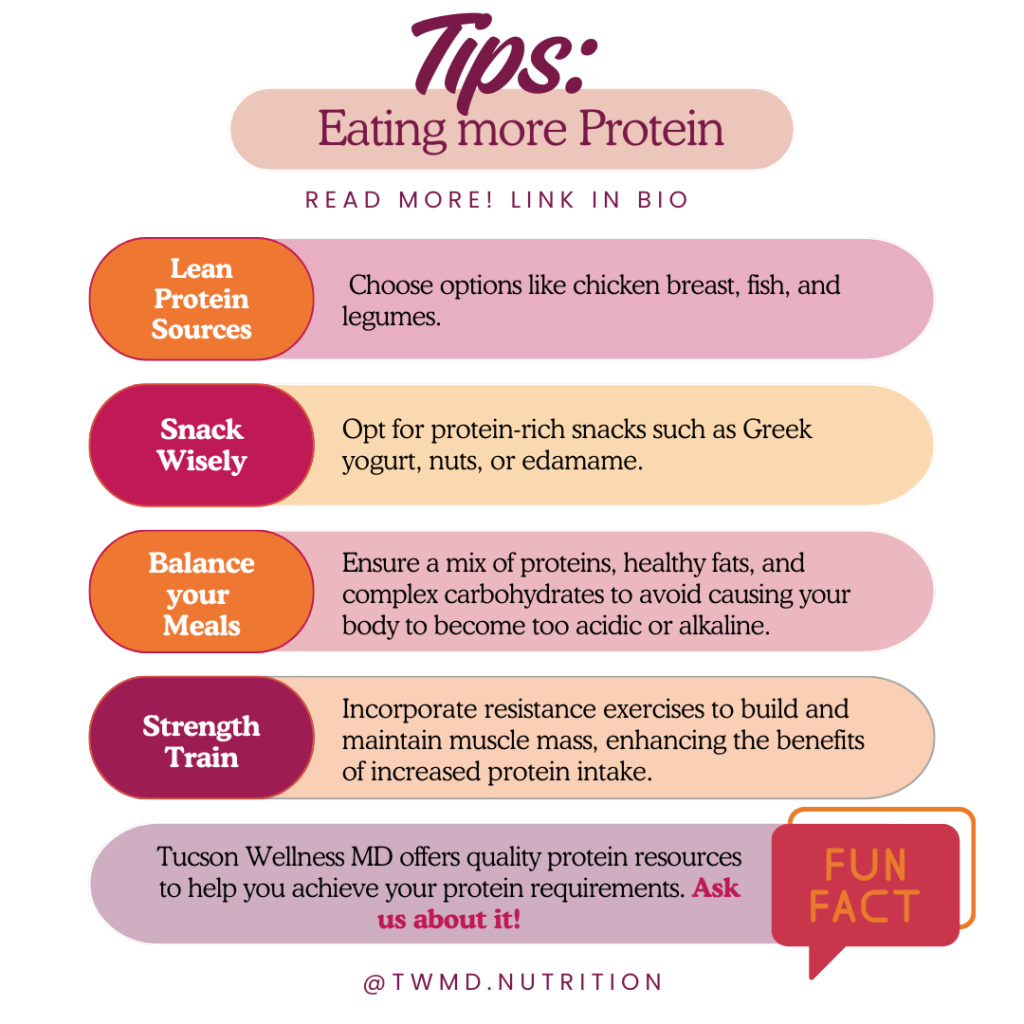
Maintaining adequate protein intake during medically supervised weight management may help support overall nutritional balance and muscle maintenance.

Semaglutide is a GLP-1 receptor agonist prescribed for certain metabolic conditions. It works by reducing appetite and slowing digestion, which may contribute to decreased calorie intake in some patients. During calorie reduction, muscle mass may decrease if protein intake and resistance activity are not sufficient. This can occur with any weight-loss strategy. Semaglutide does not directly alter how the body selects fuel sources. Energy use continues to depend on overall diet and activity level. Instead, it works by decreasing appetite and slowing digestion, so your body will use a mix of carbs, fats, and proteins for energy, depending on your diet and activity level.

Dr. Kellams recommends, “consuming complete proteins, particularly from lean meat sources, as they provide essential amino acids that contribute to normal muscle function”.

What Is Semaglutide and How Does It Work?

Semaglutide is a GLP-1 receptor agonist that reduces appetite, increases feelings of fullness, and slows gastric emptying. It is prescribed to assist with appetite regulation and may contribute to reduced calorie intake when combined with lifestyle changes.

How Semaglutide Influences Fat and Muscle Loss

Semaglutide does not directly increase fat burning. It works by:

  • Reducing hunger signals
  • Increasing fullness after meals
  • Slowing gastric emptying

As calorie intake drops, the body pulls energy from available sources. If dietary protein is inadequate and muscle activity is limited, lean body mass may decrease during calorie restriction.

At Tucson Wellness MD, our experts advocate for a lifestyle of balanced nutrition to ensure you get all the essential nutrients your body needs. Dietary protein plays an important role in overall nutrition and satiety. Adequate intake may help individuals maintain balanced eating patterns during structured weight management programs. Adequate protein intake helps preserve muscle mass during calorie restriction, preventing muscle loss. Protein generally has a lower immediate impact on blood glucose compared to certain carbohydrates. Individuals with metabolic conditions should follow personalized dietary guidance provided by their clinician.  Protein has a higher thermic effect compared to fats and carbohydrates, meaning the body uses energy during digestion. This is one of several factors considered in structured nutrition planning

Apple Cinnamon Overnight Oats

This fiber-rich, lower-calorie breakfast option is simple to prepare and offers a balanced start to your day.

Benefits of Apples

Apples are nutrient-dense fruits that contribute important vitamins, fiber, and antioxidants to a balanced diet. They are a good source of fiber, including pectin, which supports normal digestion and contributes to overall dietary balance.
Apples provide vitamin C, potassium, and naturally occurring antioxidants such as quercetin, which play roles in maintaining normal immune and cardiovascular function as part of a healthy lifestyle. Their water and fiber content contribute to hydration and digestive balance.

Benefits of Cinnamon

Cinnamon contains antioxidants that support the body’s normal response to oxidative stress. Some research suggests cinnamon may play a role in supporting normal glucose metabolism when included as part of a balanced diet.  Cinnamon has been studied for its naturally occurring compounds and their potential functional properties in food science, and Cinnamon has been examined for its role in overall cardiovascular wellness when included in a balanced eating pattern.

Click here to download this recipe card!

How Often Should You Get IV Vitamin Therapy?

iv therapy

In recent years, infusion therapy, also known as IV vitamin therapy, has become increasingly popular among wellness enthusiasts, athletes, and anyone looking to quickly boost their overall health. With promises of efficient hydration, enhanced energy, and improved immunity, it’s no wonder that more people are exploring this modern wellness trend.

Why Do Some People Try IV Therapy Without Knowing the Right Frequency?

Many people focus on the benefits of IV therapy without considering how often treatments should be done based on their health status and goals. Without proper guidance, this can lead to underuse that limits results or overuse that may affect nutrient balance.

But how often should you get IV therapy? At Tucson Wellness MD, we believe that understanding the frequency of treatments is essential to maximize the benefits while ensuring safety. Here’s what you need to know:

What Is IV Vitamin Therapy and How Does It Work?

An IV drip can deliver essential vitamins, minerals, and other nutrients directly into the bloodstream, bypassing the digestive system. This allows for nearly 100% absorption, significantly higher than oral supplements. The infusion treatment is tailored to meet individual needs, from boosting energy levels and immune support to skin rejuvenation and detoxification.

What Determines How Often You Should Get IV Therapy?

There isn’t a one-size-fits-all answer regarding the frequency of IV vitamin therapy. Several factors should be considered, including:

  1. Your Health Goals: Are you seeking to recover from an illness, boost your immune system, or enhance athletic performance? For those dealing with a chronic vitamin deficiency, sluggish mental health, or needing immune support, it may be recommended to schedule weekly infusion sessions initially. Conversely, someone looking for a quick energy boost before an important event may only need an occasional session.
  2. Lifestyle and Activity Level: Active individuals or athletes who deplete vitamins and minerals more quickly due to intense workouts may benefit from more frequent sessions. In contrast, those with less physically demanding lifestyles might find monthly sessions suffice.
  3. Current Health Condition: If you manage a specific health condition, such as a nutrient deficiency or chronic illness, your healthcare provider might recommend a more frequent schedule. Once your nutrient levels are optimized, the frequency can often be reduced.
  4. Stress Levels: Stress can rapidly deplete essential nutrients. For those experiencing high levels of stress, bi-weekly vitamin IV therapy can help maintain a balanced nutrient profile, supporting overall well-being.
  5. Doctor’s Recommendations: Consulting with a healthcare provider is crucial. They can assess your overall health, consider any underlying medical conditions, and recommend a tailored schedule that aligns with your needs.

How Often Should You Get IV Therapy Based on Your Goals?

iv therapy treatment

Here are some general guidelines on how often you might consider receiving IV vitamin therapy, depending on your needs:

  • For General Wellness: Once or twice a month is usually sufficient to maintain balanced nutrient levels and boost overall wellness.
  • For Immune Support: If you’re feeling run-down or frequently exposed to illness, weekly infusions may be beneficial, especially during cold and flu season.
  • For Chronic Illness or Recovery: Those recovering from surgery, illness, or managing chronic conditions might benefit from bi-weekly or even weekly sessions initially, tapering off as health improves.
  • For Athletes and High-Performance Lifestyles: Active individuals may opt for weekly or bi-weekly sessions, particularly during intense training periods or competition seasons.

Signs You Need IV Vitamin Therapy More Often

If you find yourself frequently feeling fatigued, catching colds often, or not recovering well after workouts, you might consider adding an IV catheter infusion of key nutrients to your list of effective alternative treatments.

Ultimately, the frequency of your IV vitamin therapy should be guided by your body’s needs. It’s essential to pay attention to how you feel before and after sessions and adjust accordingly. Your healthcare provider can help monitor your progress and make adjustments to your treatment plan over time.

Safety Considerations

While IV vitamin therapy is generally safe, it’s important to receive treatments from qualified professionals. Overuse can lead to imbalances or excessive levels of certain vitamins. Regular consultations with your wellness provider will ensure that your therapy is both safe and effective.

Finding the Right Frequency

iv therapy

IV vitamin therapy can be a powerful tool in your wellness arsenal, but the key to maximizing its benefits lies in finding the right frequency for your unique needs. At Tucson Wellness MD, we are dedicated to providing personalized care that aligns with your health goals. Whether you’re new to IV therapy or looking to optimize your current regimen, we are here to guide you every step of the way.

Treat Vitamin Deficiencies with Tucson Wellness MD

Choosing Tucson Wellness MD for your IV therapy means partnering with a team dedicated to your personalized health and wellness journey. Our experienced professionals provide tailored IV vitamin therapy treatments designed to meet your unique needs, ensuring you receive the highest quality care in a safe and comfortable environment. We prioritize your well-being by using premium ingredients and customizing each infusion to support your specific health goals, whether it’s boosting energy, enhancing immunity, or promoting recovery.

Ready to experience the benefits of IV vitamin therapy? Contact us today through our website to schedule your consultation and take the next step toward better health!


5 Benefits of Semaglutide for Weight Loss

If you’re having difficulty achieving your weight loss goals, have encountered a plateau, or just struggling to keep lost weight off, Tucson Wellness MD can help.  As the season changes, don’t just appreciate yourself, fall in love with yourself.

Semaglutide can be a real game-changer, offering more than just weight management. Many people taking semaglutide find that their blood pressure drops, which can be a game-changer for those dealing with hypertension or worried about heart health. This added benefit helps keep blood pressure in check and supports overall cardiovascular well-being.

As you tackle your weight and rev up your metabolic health, you might find another delightful surprise: your sleep quality improves. With reduced sleep apnea symptoms and a healthier body overall, you could start enjoying deeper, more restful nights. It’s like your health transformation is giving you sweet dreams as an added bonus!

Semaglutide doesn’t just help with insulin production; it also enhances your body’s insulin sensitivity. Imagine your cells becoming superstars at responding to insulin, making glucose management a breeze. It’s like upgrading your body’s internal system for effortless blood sugar control! This is especially beneficial for individuals with type 2 diabetes. 

Shedding pounds and stabilizing blood glucose levels can do wonders for your mood and mental well-being. Many people on semaglutide therapy find themselves bursting with energy, enjoying sharper mental clarity, and feeling more emotionally balanced. It’s not just about physical health; it’s a boost for your mind and spirit too!

Semaglutide acts like a pro at mimicking GLP-1, skillfully taming your appetite and cravings. This smart strategy leaves you feeling fuller and more satisfied, making it a breeze to stick to your health goals. Plus, our experts boost your results by focusing on muscle preservation with exercise and high protein, so you’ll see and feel amazing changes in your health and energy!

“While semaglutide is not recommended for use with rare cancers, clinical trials have demonstrated its potential in preventing and improving outcomes in certain cancers and Alzheimer’s disease.”

– Dr. Kellams

Weight Loss at Tucson Wellness MD

Our goal is to help you become a healthier version of yourself and live a fulfilling life, no matter your age. Our team of experts are committed to helping you reach your goals and maintain them through consistent lifestyle changes. Fall in love with yourself this season and let semaglutide support your weight loss journey and help you shed those extra pounds. Reach out to us by phone or online to learn more about semaglutide or our other weight loss services