When to Start Taking Peptides
What are peptides supplements?
Peptides are short chains of amino acids that occur naturally in the body and are involved in many biological processes. Certain peptide-based products may be prescribed under medical supervision when clinically appropriate. Some individuals explore peptide therapy as part of a medically supervised wellness plan. Individual outcomes vary when taken as part of a consistent routine.
Depending on the specific peptide and medical evaluation, therapy may be discussed for select concerns under physician supervision. Results are individualized and not guaranteed. At what age should you start taking peptides to receive these benefits? Peptide therapy should only be considered after medical evaluation to determine clinical appropriateness, regardless of age.
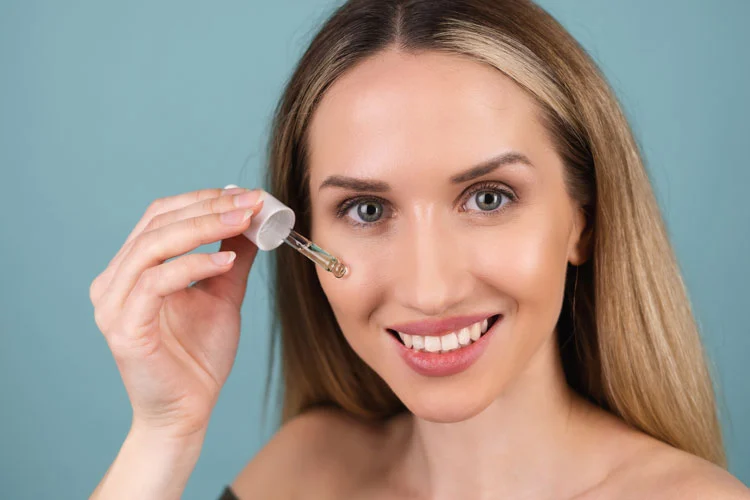
There are many peptides, including growth factors, cytokines, and hormones. These molecules play an essential role in supporting the body’s healthy functioning.
Some studies have evaluated certain peptides for cosmetic and dermatologic applications. Outcomes depend on the individual and formulation. For this reason, it is recommended that individuals start adding consumable peptides or peptide therapy to their routine in their 20s or 30s.
Keep in mind, it’s never too late to start taking peptides. No matter your age, Specific peptides may influence biological pathways when prescribed under medical supervision. Treatment decisions are based on individualized evaluation and medical necessity.
What are Peptides?: Amino Acids
Peptides are compounds of two or more amino acids joined by peptide bonds. These bonds form between the nitrogen atoms in each amino acid and the carbon atoms in the adjacent molecule.
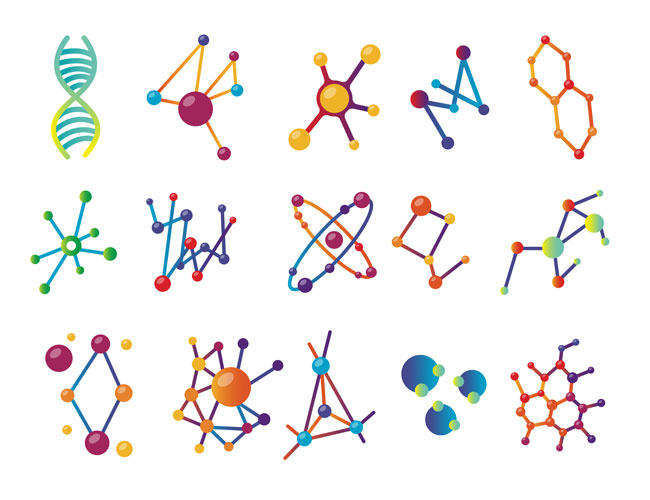
The peptide bond is a covalent linkage formed through a transamination reaction, which is a chemical reaction involving the transfer of a hydrogen atom from one molecule to another.
This type of reaction is often used to link amino acids to form protein molecules. The peptide bond strengthens proteins and other macromolecules and allows these molecules to hold specific shapes and functions.
Peptides are essential components of all living organisms, with many naturally occurring peptides found in foods such as fruits, vegetables, and meats. In addition, Certain peptide-based medications are approved for specific medical uses under regulatory oversight. Availability depends on FDA approval status and clinical indication.
Peptide Therapy and Human Growth Hormone
Peptides have an essential effect on the human growth hormone (HGH). HGH is a hormone the pituitary gland produces that is critical in growth and development. It is known to decline with age but can be stimulated by certain nutritional factors or physical activities.
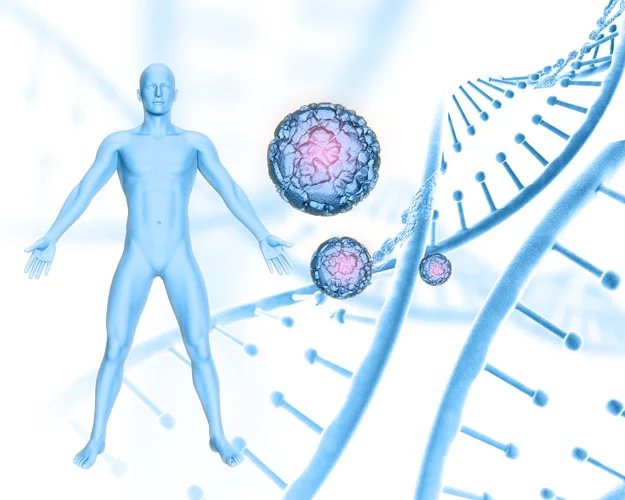
Some peptides are studied for their interaction with hormonal pathways. Use is limited to specific clinical situations and requires careful monitoring.
Hormonal disorders should be evaluated by a qualified healthcare professional. Not all peptide therapies are approved for endocrine or metabolic conditions.
HGH vs IGF-1
IGF-1, or insulin-like growth factor, is another consideration for retaining muscle mass. HGH possesses some extra advantages to IGF-1 but takes longer to produce effects. IGF-1 works immediately but may not have as desirable effects. Hormone levels should only be addressed through medically indicated treatment and appropriate monitoring.
What are some of the most Commonly Used Peptides?
The most commonly used peptides have powerful therapeutic properties and are well-tolerated by the body. Some of the most commonly used peptides include:
- Tachyphylaxis: Tachyphylaxis is a peptide that reduces the sensitivity of cells to external stimuli, such as drugs or light exposure. It is often used as a treatment for cancer because it can help prevent tumors from growing and spreading.
- Tryptophan: Tryptophan is an essential amino acid that plays a vital role in protein synthesis and is naturally found in foods like meat and dairy products. It has been shown to have anti-inflammatory properties and may help reduce pain and muscle soreness after exercise.
- Creatine: Creatine is a compound is produced naturally in the body and helps supply energy to muscles during sustained physical activity. It is also found in many sports supplements and has been shown to improve performance in athletes.
Peptide FAQs:
What do Peptides do for the body?
Peptides are involved in many biological processes within the body. Clinical use depends on the specific peptide and medical indication.
In addition to supporting overall health and well-being, peptides can help support various bodily functions, such as digestion and bone formation.
What do peptides do for your skin?
Certain topical peptides are used in cosmetic formulations and are intended to support overall skin appearance and enhance the appearance of skin tone and texture.
What foods are high in Peptides?
Peptides are naturally occurring in the proteins of both animal and plant foods, including eggs, milk, meat, fish and shellfish, beans and lentils, soy, oats, and flaxseeds.
Peptide Therapy with Tucson Wellness MD
At Tucson Wellness MD, we empower you to live the life you want by giving you the tools and the medical care needed to help you support long-term health and overall wellness.
Whether you want to support body composition goals under medical supervision, take advantage of our beauty services, or discuss non-surgical options where clinically appropriate, Tucson Wellness MD is interested in your best self.
We believe in a scientific, evolutionary approach to health and modern pain relief. As a result, we use only the most advanced, We source medications from licensed pharmacies in accordance with regulatory standards.
Health should fit your lifestyle, and we will work with you to create a plan that meets your needs and improves your quality of life.
We invite you to learn more by continuing to explore our website.