Everything You Need To Know About Peptide Therapy
Peptide activity declines with age, stress, injury, and chronic metabolic strain. These signaling molecules regulate hormone release, tissue repair, immune response, and cellular communication. When peptide signaling weakens, recovery slows, inflammation persists longer, hormone production drops, and metabolic efficiency declines. Many people notice reduced muscle repair, lower energy output, slower healing, disrupted sleep patterns, and decreased physical resilience as cellular communication loses precision.
Peptide therapy restores targeted signaling pathways by supplying specific amino acid sequences that activate defined biological responses. These peptides bind to cellular receptors and trigger processes such as hormone release, protein synthesis, tissue regeneration, and immune modulation. With restored signaling activity, the body resumes more efficient repair, regulation, and metabolic balance under medical supervision and controlled dosing.
What is Peptide Therapy?
Peptide therapy involves the medical use of specific peptides that are prescribed based on an individual evaluation and clinical need.

Peptide therapy may be considered as part of a physician-guided wellness plan focused on age-related hormonal and metabolic changes.
Peptides are being studied for their role in cell signaling and tissue function. Treatment plans are individualized and based on medical evaluation.
As you age, your body slows human growth hormone production. Growth hormone releasing hormone plays a part in many different aspects of health and well-being, including:
- Weight management
- Pain management
- Overall health and wellness
- Age management
- Support of overall wellness under physician supervision.
What is Peptide Therapy used for?
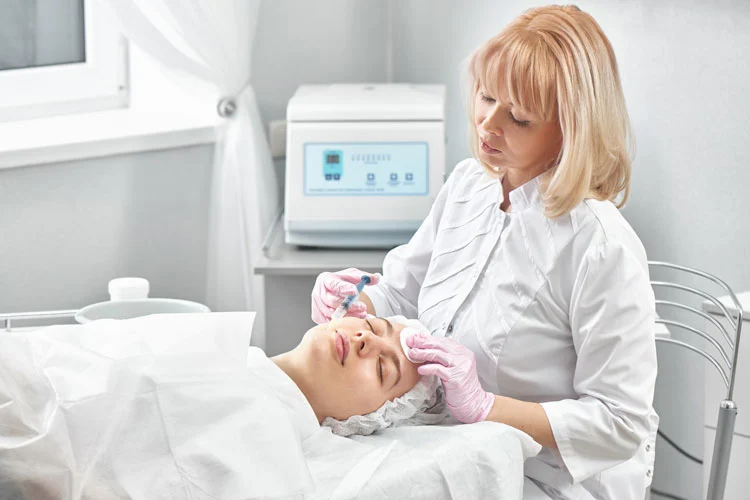
Beginning a treatment plan with peptide therapy provides the body with many different benefits. Peptide therapy is prescribed when medically appropriate and monitored by a licensed healthcare provider. Individual responses vary.
The use of therapeutic peptides can boost libido, improve the quality of your skin, help you transform your physique, and increase your energy levels. Specifically, the different peptides that we offer can deliver some of the following benefits:
Potential areas of clinical focus may include metabolic support, hormonal balance, tissue health, and overall wellness. Treatment decisions are based on laboratory findings, medical history, and individual goals.
Why Choose Peptide Therapy?
Peptide therapy is a developing area of medical research focused on cell signaling and biologic pathways of cell-signaling amino acid sequences (known as peptides). Peptides are the master controls of many functions in the body.
What are Peptides Made Of?
Peptides are the building blocks of proteins and are composed of amino acids that work to regulate a variety of biological functions and processes.
These naturally occurring peptides act as signaling molecules within the body and instruct other cells and molecules on what functions to perform.
There are over 7,000 known peptides within the human body and though some may be similar each is responsible for facilitating a different response and action within the body.
Some common functions of peptides include providing pain relief, triggering immune system function, aiding in soft tissue repair, Some peptides are being studied for their role in metabolic, endocrine, and tissue-support pathways. Use is determined by clinical evaluation.
Short Chain Amino Acids
A peptide is a short chain of amino acids. The amino acids in a peptide are connected to one another in a sequence by bonds called peptide bonds.
Typically, peptides are distinguished from proteins by their shorter length, although the cut-off number of amino acids for de fining a peptide and protein can be arbitrary.

Peptides are generally considered to be short chains of two or more amino acids. Meanwhile, proteins are long molecules made up of multiple peptide subunits and are also known as polypeptides.
Proteins can be digested by enzymes (other proteins) into short peptide fragments. Among cells, peptides can perform biological functions. For example, some peptides act as hormones, which are molecules that when released from cells affect other areas of the body.
Muscle Mass
Muscles are often described as the “engine” of your body’s fat and calorie-burning mechanism. Increased muscle mass can lead to less body fat, a stronger immune system, improved energy levels, and reduced stress.
After you turn 40 and continue to age, you lose approximately 1 percent of your bone mass each year. This makes your bones more prone to fractures and may lead to osteoporosis over time.
Hormonal and metabolic health play a role in musculoskeletal maintenance. Treatment is individualized and monitored.
Since muscle burns more calories than fat, gaining mass can increase your metabolism and help you maintain a healthy weight. You will feel more energized and find it easier to lose stubborn fat.
Growth Hormone
Throughout life, growth hormone regulates the fat, muscle, tissue, and bone in our bodies and other aspects of our metabolism such as insulin action and blood sugar levels.
Growth hormone levels naturally reduce from middle age onwards.
Our bones need enough growth hormone during our childhood and adolescence in order to lengthen to adult proportions.
Growth hormone prompts our liver to make a substance called insulin-like growth factor (IGF-1). This and other similar compounds are involved in bone growth.
Adults with growth hormone deficiency (which may result from problems with the pituitary gland or hypothalamus) may have symptoms including:
- poor bone density (which can lead to osteoporosis if untreated)
- reduced muscle mass
- fatigue
- depression
- poor memory
- increased body fat around the waist.
Growth hormone pathways are complex endocrine systems that require careful evaluation. Any therapy affecting hormone levels must be prescribed and monitored by a licensed medical provider.

HGH helps to maintain, build, and repair healthy tissue in the brain and other organs.
This hormone can help to speed up healing after an injury and repair muscle tissue after exercise. Therefore it helps to build muscle mass, boost the metabolism, and makes it easier to lose weight.
HGH is also said to benefit the quality and appearance of the skin as if slowing the aging process.
Are There Any Side Effects of Peptide Therapy?
Downsides of Peptide therapy
For healthy individuals, peptide supplements are unlikely to cause serious side effects because they are similar to the peptides present in everyday foods.
Oral peptide supplements
Oral peptide supplements are not regulated by the United States Food and Drug Administration (FDA) and as a result, people should exercise caution when taking any supplements, or, better yet, ensure their peptide plan is observed by a doctor.
Topical Peptide Supplements
Topical creams and ointments containing peptides may cause skin symptoms, such as skin sensitivity, rash, and itching.
Individuals should always buy from a reputable company and discontinue use if adverse reactions occur.
Also, it is a good idea to speak to a doctor before taking peptide supplements or using topical products that contain peptides.
Peptide Therapy with Tucson Wellness MD
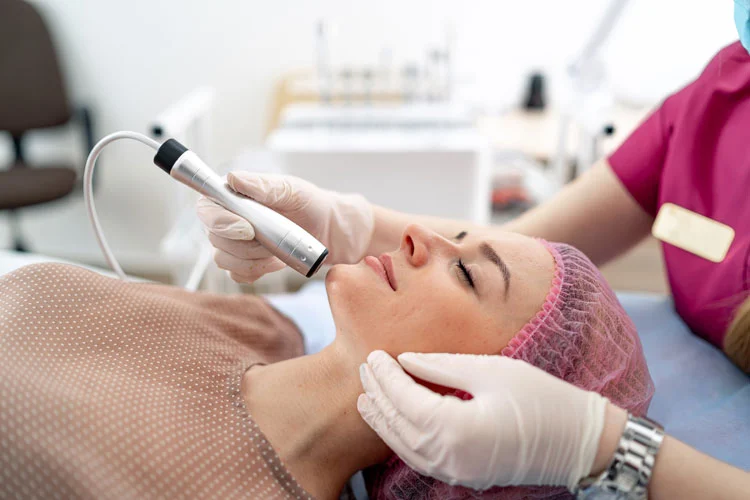
Peptide Therapy offers a wide range of benefits to the body that can help you be your absolute best self.
Our targeted therapy enables your body to do what it is meant to do, but better and faster. Peptide therapy is offered as part of a medically supervised plan designed around individual laboratory findings and clinical goals. Outcomes vary by patient. In short, all your effort to be your best will produce better results.
Get started on your journey to a better life by continuing to explore our website.