Retatrutide Safety, Side Effects, and Provider-Guided Use
Quick Answer
Is Retatrutide Safe to Use Without Medical Supervision?
No. Retatrutide should not be used without medical supervision because it is still investigational and affects multiple metabolic pathways. Safe review should include health history, medication review, side effect risk, weight-loss goals, hydration, nutrition, blood sugar monitoring, and provider-guided follow-up. Patients should avoid buying retatrutide online or copying dosing advice from forums.
Table of Contents
Retatrutide is a research-based weight management compound being studied for its effects on weight loss, metabolism, and appetite regulation. However, it is not a self-directed medication, and dosage should never be followed from online protocols.
Safe use requires medical supervision, gradual dose titration, and monitoring of metabolic markers such as glucose, digestion response, and weight trends.
This guide explains how Retatrutide dosage is typically approached in clinical settings and why provider-guided care is essential for safety and results.
Retatrutide Dosage Overview
| Dosage Stage | What It Means | Safety Focus |
|---|---|---|
| Starting Phase | Treatment begins with a low starting dose to help the body adjust. | Monitor nausea, appetite changes, digestion, hydration, and blood sugar response. |
| Titration Phase | The dose may increase gradually over several weeks or months. | Increase only when side effects are manageable and the provider approves the next step. |
| Maintenance Phase | The goal is to stay on the lowest effective dose that supports steady progress. | Review weight loss pace, nutrition, muscle preservation, labs, and long-term tolerance. |
| Adjustment Phase | The dose may need to change if side effects, plateaus, or health changes occur. | Avoid increasing the dose too fast. More medication does not always mean better results. |
For deeper dosage context, read our retatrutide dosage guide.
Retatrutide Dosage Should Not Be Self-Directed
Retatrutide dosage should not be copied from online charts, clinical-trial summaries, social media posts, or research-chemical sellers. Because retatrutide is investigational, there is no approved standard dosing schedule for general public use.
The safest approach is to review your health history, current medications, metabolic markers, side effects, and treatment goals with a qualified provider. If dosage questions are part of your research, review our detailed retatrutide dosage guide for more safety-focused context.
Retatrutide Dosage Overview and Safety Considerations
Retatrutide dosage should be reviewed carefully because it affects multiple metabolic pathways. Treatment decisions should consider weight-loss goals, health history, side effects, medication source, and ongoing monitoring.
| Dosage Factor | What It Means | Why Medical Supervision Matters |
|---|---|---|
| Starting dose | Triple agonist medications are typically studied with gradual dose escalation. | Starting too aggressively may increase side effects and treatment intolerance. |
| Dose escalation | Dose increases may be adjusted based on response and tolerance. | A provider can monitor nausea, appetite changes, digestion, hydration, and overall safety. |
| Treatment goals | Patients may seek support for weight loss, appetite control, metabolic health, or plateaus. | A provider can determine whether medication, nutrition, labs, or another plan is more appropriate. |
| Side effects | Digestive side effects, appetite changes, dehydration risk, and excessive weight loss need monitoring. | Side effects can affect treatment safety, dose changes, and whether treatment should continue. |
| Medication source | Products sold online as retatrutide may be unverified, counterfeit, or mislabeled. | Retatrutide is investigational and should not be purchased from unverified sellers. |
Retatrutide Side Effects to Know
Retatrutide affects appetite, digestion, blood sugar regulation, and metabolic signaling. Side effects vary by person and may become stronger as the dose increases.
Common side effects may include:
- Nausea
- Vomiting
- Diarrhea
- Constipation
- Reduced appetite
- Abdominal discomfort
- Fatigue
- Dizziness
- Possible blood sugar changes
Patients should seek medical guidance if side effects become severe, persistent, or difficult to manage. Retatrutide should not be used without professional screening, especially for people with diabetes, digestive disorders, gallbladder issues, thyroid concerns, or a history of pancreatitis.
Retatrutide Side Effects and Medical Supervision
Retatrutide should not be treated like a casual weight-loss shortcut. Because it targets GLP-1, GIP, and glucagon pathways, side effects and monitoring needs may be more complex than single-pathway medications.
Possible concerns may include nausea, vomiting, diarrhea, constipation, appetite suppression, dehydration, fatigue, gallbladder concerns, blood sugar changes, excessive weight loss, and loss of lean muscle if weight drops too quickly. Patients should also be cautious about products sold online, since unverified weight-loss injections may not contain what they claim.
Provider supervision matters because a safe plan should include health-history review, medication review, lab evaluation when appropriate, nutrition support, hydration guidance, side-effect monitoring, and follow-up care. Tucson Wellness MD can help patients review medically supervised weight-loss options instead of relying on internet dosing advice.
Depending on your health profile and goals, Tucson Wellness MD may discuss medical weight loss support, triple agonist weight loss drugs, tirzepatide treatment, or longevity care as part of your plan. Patients comparing options may also review medical weight loss in Tucson, fat loss injections, and tirzepatide treatment in Tucson.
Retatrutide Safety Monitoring Checklist
- Review current medications and medical history.
- Check weight-loss goals and risk factors.
- Monitor nausea, vomiting, diarrhea, and constipation.
- Track hydration, appetite, protein intake, and energy.
- Watch for excessive weight loss or muscle loss.
- Review blood sugar, A1C, and metabolic markers when appropriate.
- Adjust the plan based on tolerance and provider guidance.
Need a Safer Weight Loss Plan?
Schedule a weight loss consultation with Tucson Wellness MD to review your goals, medication options, safety concerns, and provider-supervised treatment plan.
Explore Medical Weight LossProvider consultation required before treatment.
Why Choose Retatrutide for Obesity Treatment?
Retatrutide is being studied for its effects on weight loss and metabolic markers in clinical research. For patients at Tucson Wellness MD, this medication offers several distinct advantages over previous options:
Weight-Loss Results in Clinical Research
Clinical data suggests that Retatrutide may yield higher percentages of body weight loss compared to dual-agonist medications, making it a investigational option being studied for obesity treatment.
Liver Health Support
The inclusion of the glucagon receptor agonist has shown promise in reducing liver fat, which is crucial for overall metabolic health and longevity.
Breaking Plateaus
For patients who have stalled on other therapies, the triple-agonist mechanism provides a new metabolic stimulus to support further provider-guided evaluation after a plateau.
Improved Lipid Profiles
Beyond just the scale, Retatrutide helps improve blood pressure and cholesterol levels, contributing to better heart health.
Who Should Discuss Retatrutide With a Provider?
| Patient Situation | Why It Matters | Provider Review Needed |
|---|---|---|
| Obesity or significant weight-loss need | Retatrutide is being studied for substantial weight reduction | Weight history, labs, medication options |
| Plateau on GLP-1 or tirzepatide | Some patients research triple-agonist options after stalled progress | Side effects, adherence, nutrition, dose history |
| Digestive sensitivity | GI side effects may affect tolerance | Nausea, vomiting, constipation, hydration |
| Diabetes or blood sugar concerns | Metabolic medications may affect glucose and appetite | A1C, glucose, current medications |
| Gallbladder, thyroid, kidney, or liver concerns | These may affect medication safety | Health history and lab review |
Navigating Your Retatrutide Dose and Administration
Effective weight loss medication requires precision. Proper medication administration is vital to maximizing benefits while minimizing potential side effects. At Tucson Wellness MD, we do not believe in a “one-size-fits-all” approach; instead, we follow a careful titration schedule.
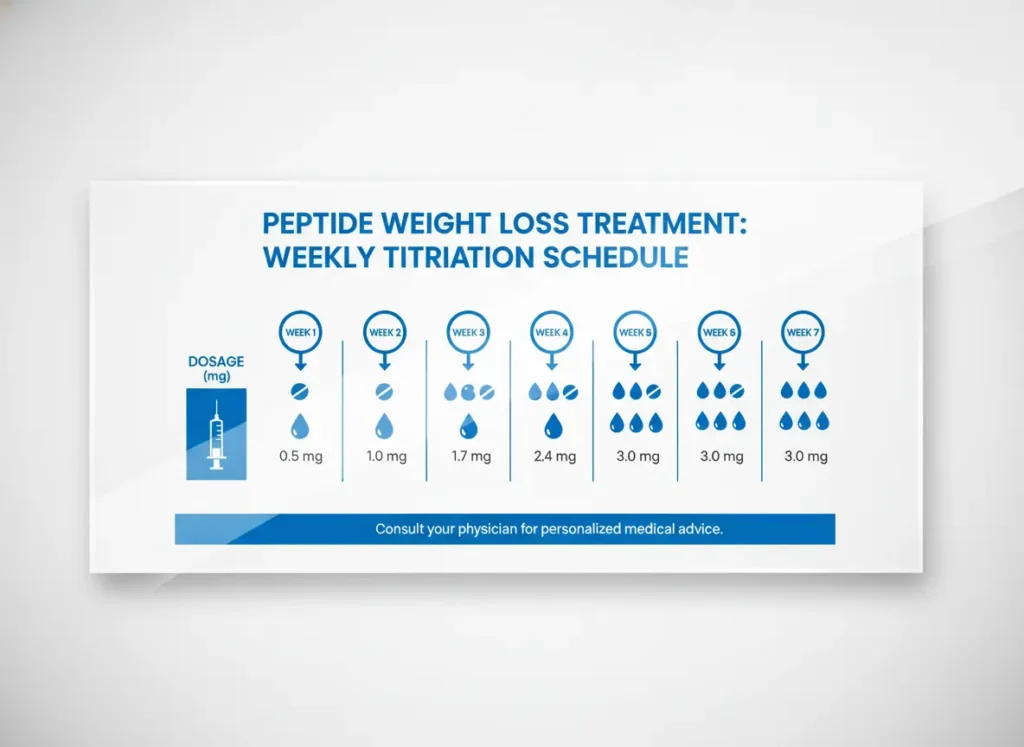
Your Retatrutide dose typically begins at a lower level to allow your body to adapt to the hormonal changes. Over several weeks or months, the dosage is gradually increased under strict medical supervision until a therapeutic maintenance dose is reached. This slow ramp-up helps mitigate common gastrointestinal sensitivities. Because this is a powerful injectable therapy, our team ensures you are fully educated on proper injection techniques and storage. We monitor your progress closely, adjusting your plan based on your side effect profile and weight loss velocity to ensure safety and efficacy.
What Are Safer Alternatives to Retatrutide?
Because retatrutide is not FDA approved, some patients may be better served by approved or more established medical weight-loss options. A provider may review semaglutide, tirzepatide, nutrition support, body composition tracking, hormone evaluation, peptide therapy, or lifestyle-based medical weight-loss care.
The best option depends on your health history, current medications, weight-loss goals, side effect risk, and long-term maintenance plan. For broader metabolic support, learn more about peptide therapy in Tucson and longevity care.
Conclusion
Retatrutide represents the cutting edge of obesity treatment, offering a powerful new option for those seeking significant and sustained weight loss. By harnessing the power of a GLP-1, GIP, and glucagon receptor agonist simultaneously, this medication is being studied for effects on appetite, metabolic signaling, and energy balance. However, the key to success lies in a personalized Retatrutide dose strategy managed by experienced professionals.
At Tucson Wellness MD, we are dedicated to guiding you through this process with safety and precision. We combine advanced medical therapies with holistic lifestyle support to ensure your results last a lifetime. If you are ready to take control of your metabolic health, contact us today to schedule your consultation and see if Retatrutide is right for you.
Need a Safer Weight Loss Plan?
Schedule a weight loss consultation with Tucson Wellness MD to review your goals, medication options, safety concerns, and provider-supervised treatment plan.
Explore Medical Weight LossProvider consultation required before treatment.
Related Reading
Frequently Asked Questions
What is retatrutide and how is it different from semaglutide or tirzepatide?
Retatrutide is a triple agonist that simultaneously activates GLP-1, GIP, and glucagon receptors. Semaglutide targets GLP-1 only. Tirzepatide targets GLP-1 and GIP. The addition of the glucagon receptor agonist in retatrutide actively increases energy expenditure alongside appetite suppression, which is the primary mechanistic distinction and the basis for its stronger weight loss results in clinical trials.
Is retatrutide FDA-approved?
No. As of 2026, retatrutide is not FDA-approved for any indication. It is currently advancing through Phase 3 clinical trials for obesity treatment. Use in the United States occurs through investigational or compounding channels. Patients should discuss the current regulatory status and legal access with their physician before starting.
What weight loss results has retatrutide shown in clinical trials?
Phase 2 trial data published in 2023 showed participants receiving the highest retatrutide dose lost an average of approximately 24 percent of body weight over 48 weeks, which exceeded results seen with dual-agonist medications in comparable timeframes. Phase 3 trials are ongoing and will provide more definitive efficacy and safety data.
What are the most common side effects of retatrutide?
The most commonly reported side effects in clinical trials are gastrointestinal in nature, including nausea, vomiting, diarrhea, and constipation. These are consistent with the GLP-1 class and are most pronounced during dose escalation. A gradual titration schedule starting at a low dose significantly reduces their severity.
How is retatrutide dosed and administered?
Retatrutide is administered as a subcutaneous injection on a weekly schedule. Treatment begins at a low starting dose and is titrated upward over several weeks or months under medical supervision until a therapeutic maintenance dose is reached. Dosing is individualized based on patient response, side effect profile, and weight loss progress. Tucson Wellness MD does not use a one-size-fits-all protocol.
Who is a good candidate for retatrutide?
Retatrutide may be appropriate for patients with significant obesity, particularly those who have plateaued on GLP-1 or dual-agonist therapies, or those with concurrent metabolic concerns such as elevated liver fat or poor lipid profiles. A full medical evaluation including cardiovascular assessment and current medication review is required before starting. Not every patient is a suitable candidate.
How does Tucson Wellness MD supervise retatrutide treatment?
Tucson Wellness MD provides baseline lab work and cardiovascular assessment before starting, a structured titration schedule with regular follow-up, monitoring of weight loss velocity and side effect profile, and adjustment of dosing based on individual response. Patients are fully educated on injection technique and medication storage before beginning treatment.
Why does retatrutide need medical supervision?
Retatrutide affects multiple metabolic pathways related to appetite, digestion, blood sugar, and energy balance. Medical supervision helps monitor side effects, hydration, nutrition, glucose markers, medications, and treatment tolerance.
Can I use retatrutide if I had side effects with semaglutide?
Patients who had side effects with semaglutide should speak with a provider before considering retatrutide or any similar medication. Digestive tolerance, medication history, hydration, nutrition, and risk factors need review.
What should be checked before starting retatrutide?
A provider may review medical history, medications, weight-loss history, blood sugar markers, cardiovascular risk, gallbladder history, digestive symptoms, kidney or liver concerns, and nutrition status.
Is retatrutide better than tirzepatide?
Retatrutide is being studied as a triple agonist, while tirzepatide is an approved dual agonist for certain indications. “Better” depends on safety, availability, medical history, side effects, and provider guidance.
Should I buy retatrutide online?
No. Patients should avoid buying retatrutide online because products may be counterfeit, mislabeled, contaminated, or incorrectly dosed. Retatrutide remains investigational and should not be self-sourced.
Medical Disclaimer
This content is for educational purposes only and does not constitute medical advice. Retatrutide should only be used under the supervision of a qualified healthcare provider with proper monitoring.