Semaglutide Weight Loss Results
Table of Contents
Why Obesity Is a Metabolic Disease, Not a Willpower Problem
Excess weight is not only a lifestyle issue. Obesity changes how the body regulates hunger, blood sugar, and energy use. Hormonal signaling becomes disrupted. Appetite stays elevated even after eating. The stomach empties faster. Blood sugar rises and falls unevenly. Metabolism adapts to defend stored fat. Over time, these biological changes make weight loss harder and weight regain more likely, even with strict diet and exercise.
Semaglutide works by correcting key metabolic signaling pathways involved in appetite and glucose regulation. It activates GLP-1 receptors that control hunger, slow stomach emptying, and regulate insulin release. These effects improve satiety, stabilize blood sugar, and reduce caloric intake at the physiological level. By restoring hormonal regulation of appetite and metabolism, semaglutide supports sustained weight reduction and long-term metabolic balance under medical supervision.

Why Weight Loss Requires More Than Lifestyle Changes
Sustained weight loss is associated with improvements in several health markers. The foundation for most weight loss programs involves strict lifestyle modification, including dietary change and exercise.
Unfortunately, many individuals struggle with weight loss and chronic weight management due to difficulty adhering to long-term lifestyle modification and the metabolic adaptations that promote weight regain. In some cases, prescription medications may be considered as part of a comprehensive weight management plan.
Historically, anti-obesity drugs have produced only modest weight loss and required at least once daily administration. Semaglutide or Glucagon-like peptide-1 (GLP-1), a hormone with significant effects on glycemic control, appetite, and weight regulation, is a new therapy being used for weight loss.
What Is Semaglutide and How Does It Work?
Semaglutide, a GLP-1 receptor agonist (GLP-1RA), was recently approved by the Food and Drug Administration for chronic weight management in adults with obesity or who are overweight. The approval came after the publication of the Semaglutide Treatment Effect in People with Obesity (STEP) clinical trials. In these 68-week trials, semaglutide was associated with significantly greater weight loss compared to placebo. Semaglutide is a GLP-1 receptor agonist that is prescribed under medical supervision for specific indications.
Why Medical Support Is Essential for Obesity Treatment
As a chronic and relapsing disease, obesity impairs metabolism and causes cardiovascular disease. Although behavioral modification is important for the treatment of obesity, it is difficult to achieve an ideal weight or sustain the process of long-term weight loss.
Therefore, the obesity control guidelines strongly recommend lifestyle interventions along with medical treatment for patients who are overweight and in need of clinically significant weight loss to reduce cardiometabolic risk factors. Clinical guidelines support combining lifestyle interventions with appropriate medical treatment for eligible patients.
Semaglutide and Diabetes Management
Semaglutide is used along with a diet and exercise program to control blood sugar levels in adults with type 2 diabetes (condition in which the body does not use insulin normally and therefore cannot control the amount of sugar in the blood) when other medications did not control the sugar levels well enough.
Semaglutide is not used to treat type 1 diabetes (condition in which the body does not produce insulin and therefore cannot control the amount of sugar in the blood) or diabetic ketoacidosis (a serious condition that may develop if high blood sugar is not treated).
Semaglutide is in a class of medications called incretin mimetics. It works by helping the pancreas to release the right amount of insulin when blood sugar levels are high. Insulin helps move sugar from the blood into other body tissues where it is used for energy. Semaglutide also works by slowing the movement of food through the stomach.
How to Use BMI to Understand Your Weight Category
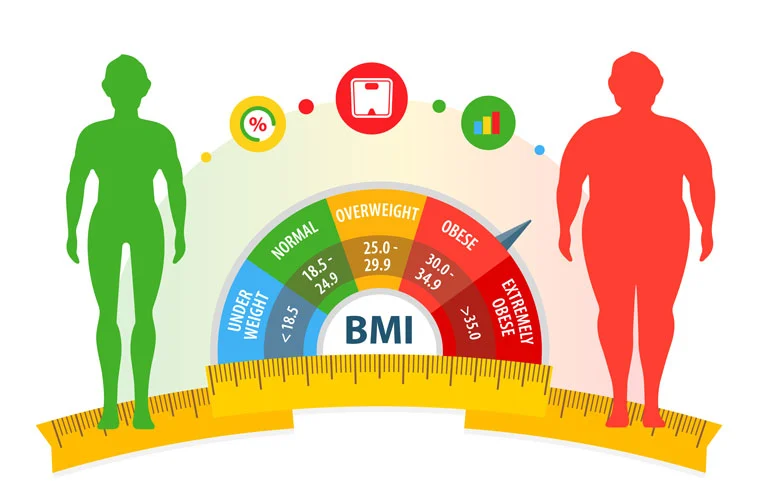
You can find an estimated body fat percentage by utilizing your height, baseline body weight, and a current BMI (Body Mass Index) chart. Once you know your body fat percentage, you can more easily calculate your lean body mass relative to that percentage.
Body Mass Index (BMI) is a person’s weight in kilograms (or pounds) divided by the square of height in meters (or feet). A high BMI can indicate high body fatness. BMI screens for weight categories that may lead to health problems, but it does not diagnose the body fatness or health of an individual.
Understanding Your BMI Results
A high or low BMI may be an indicator of poor diet, varying activity levels, or high stress. Just because someone has a ‘normal BMI’ does not mean that they are healthy.
BMI doesn’t take account of body composition, for example, muscle, fat, bone density. Sex and other factors which can impact your weight can also lead to an inaccurate reading. As such a BMI calculation is not a suitable measure for some people including children and young people under 18, pregnant women and athletes.
BMI Ranges Explained
Your BMI will fit into one of 5 bands:
- under 18.5 – This is described as underweight.
- between 18.5 and 24.9 – This is described as the ‘healthy range’.
- between 25 and 29.9 – This is described as overweight
- between 30 and 39.9 – This is described as obesity
- 40 or over – This is described as severe obesity
Medical Weight Management With Semaglutide
For those who have suffered with weight gain and weight maintenance, possibilities as extreme as bariatric surgery may have been considered. In clinical trials, semaglutide was associated with greater average weight reduction compared to placebo when combined with lifestyle changes. Individual results vary and treatment must be prescribed and monitored by a licensed healthcare provider.
Clinical studies evaluated changes in weight and metabolic markers under medical supervision. Outcomes vary by individual.
Start Your Medically Supervised Weight Loss at Tucson Wellness MD
At Tucson Wellness we are dedicated to helping you be better in everything you do. Excess weight is associated with various health risks. A structured medical weight management plan may support improved health outcomes. We provide medically supervised weight management plans tailored to each patient’s individual health profile and goals.
Learn if you might be a good candidate with a consultation with our Master Medical Nutritionist. Learn more and contact us today by continuing to explore our website.