PRP Therapy: The Natural Way to Heal and Rejuvenate
Regenerative medicine continues to expand treatment options that aim to support the body’s natural healing processes. PRP therapy is a non-surgical treatment that is used in certain clinical settings to support tissue healing and recovery.
We have complied answers to some of the most common questions about PRP so you can make informed decisions about your care.
Why Do Many Injuries and Skin Concerns Keep Returning?
Some treatments focus only on managing symptoms instead of supporting the body’s natural repair process. Without encouraging tissue regeneration at the source, discomfort, joint issues, or skin concerns may continue to reappear over time.
About PRP
PRP is a concentration of platelets derived from your own blood. Platelets contain growth factors and proteins that play a role in the body’s normal healing processes. When injected into targeted areas, PRP can support you body’s natural repair processes.
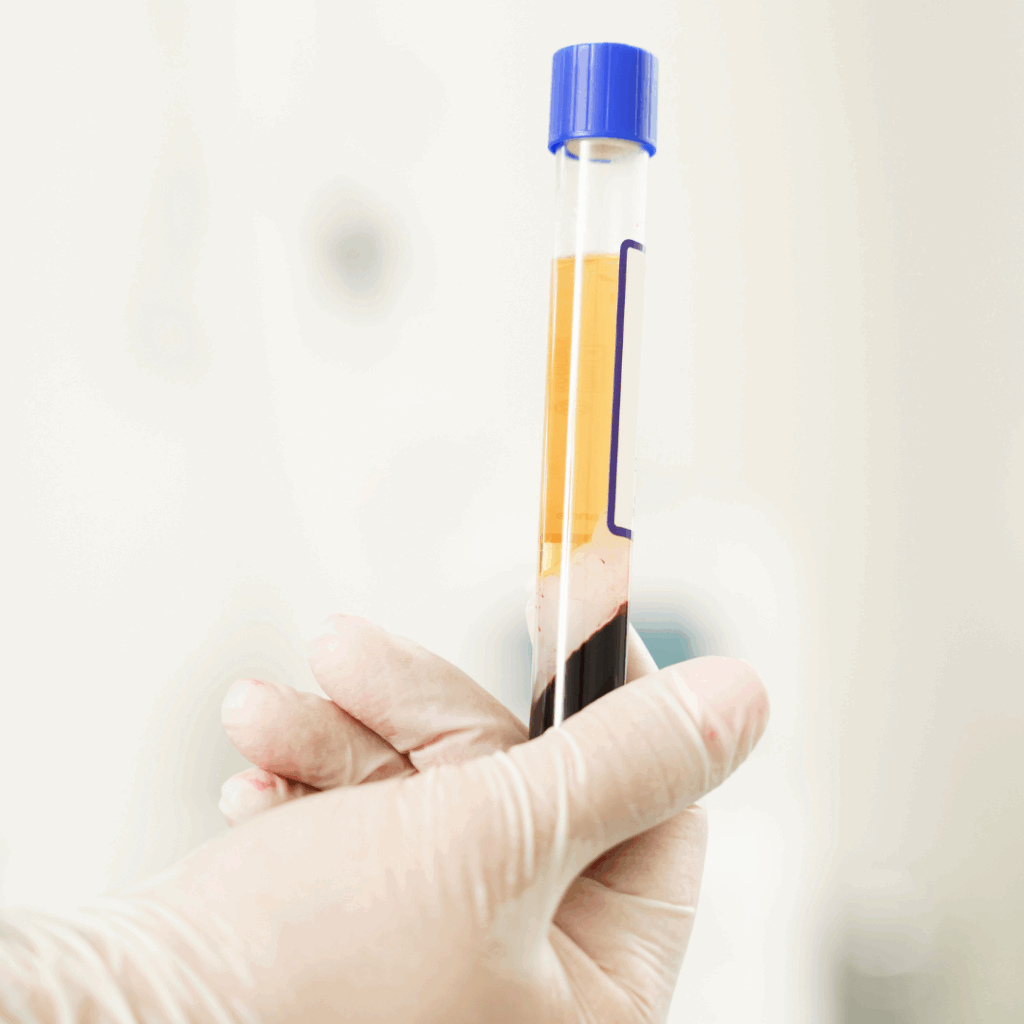
PRP therapy may be considered in clinical settings for:
- Joint and tendon conditions, including degenerative or overuse-related concerns
- Hair thinning in select patients
- Skin appearance concerns such as texture and tone
How is PRP administered?
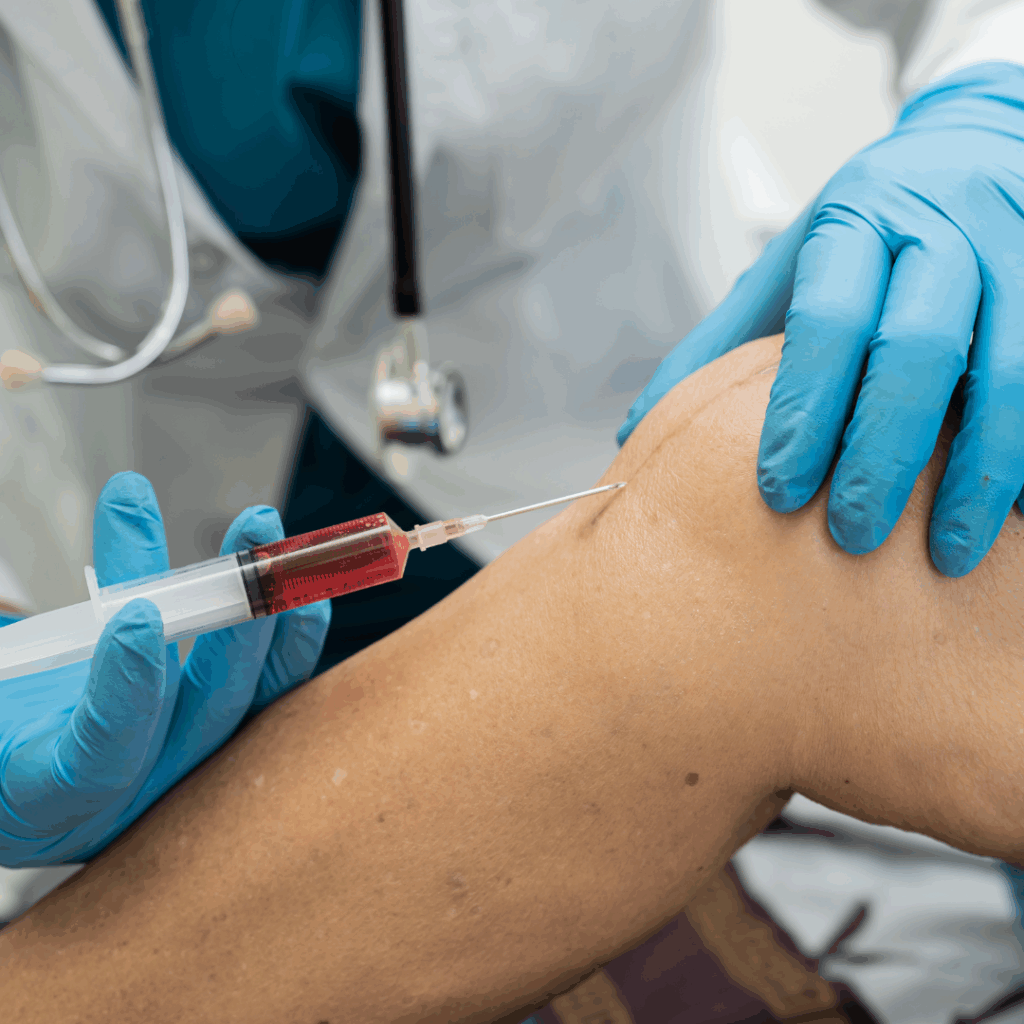
First, a small amount of your blood is drawn and processed to isolate the platelet-rich plasma. Then, the PRP is injected into the area being treated such as a joint, tendon, scalp, or facial tissue, using precise techniques. Many of our injections are performed under ultrasound guidance, ensuring precision and maximum effectiveness. Once administered, PRP introduces concentrated platelets to the treatment area as part of the body’s natural healing response.
How long does it take to see results?
Healing timelines vary depending on the area treated and the condition. Response timelines vary depending on the condition treated and individual health factors. Your provider will discuss realistic expectations during consultation.
Is PRP safe?
Because PRP uses your own blood, the risk of allergic reactions or complications is very low. Minor side effects can include temporary redness, swelling, or mild discomfort at the injection site.
How many treatments are needed?
Treatment plans vary based on your goals and the condition being treated. Some patients see results after one session, while others may require 2–4 treatments spaced several weeks apart.
Who is a good candidate for PRP?
Candidacy is determined through medical evaluation and depends on individual health status and treatment goals. Those with certain blood disorders, infections, or chronic illnesses may require evaluation before treatment.
Potential advantages of PRP therapy may include:
- Use of the patient’s own biological material
- Minimally invasive treatment approach
- Individualized care planning
- Non-surgical option in appropriate cases
About Dr. Minor
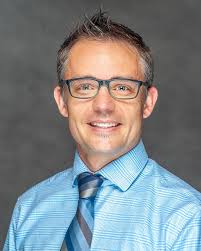
Dr. Minor has over 12 years of experience performing regenerative therapies such as PRP and prolotherapy, and 4 years specializing in stem cell therapy. He has received advanced training and over 12 years of experience in ultrasound-guided injections, ensuring precision and safety in every treatment. His experience allows him to tailor each procedure to the patient’s clinical presentation and goals.
Schedule with Dr. Minor Today
Don’t wait to take control of your health and wellness! Scheduling a PRP consultation with Dr. Minor is easy and personalized. During your appointment, he will assess your unique needs, review your health history, and create a treatment plan tailored to your goals. Whether you are exploring options for joint concerns, hair thinning, or skin appearance goals.
Frequently Asked Questions
What is PRP therapy?
PRP, or Platelet-Rich Plasma therapy, is a regenerative treatment that uses a concentration of platelets from your own blood. These platelets contain growth factors that support healing, tissue repair, and regeneration.
What are the benefits of PRP compared to traditional treatments?
PRP supports natural healing, avoids surgery, minimizes downtime, and focuses on treating the underlying issue rather than masking symptoms.
Who is a good candidate for PRP therapy?
Most healthy adults and athletes with joint pain, soft tissue injuries, hair thinning, or skin concerns are good candidates. Individuals with certain blood disorders, infections, or chronic conditions may need further evaluation.
How long does it take to see results from PRP therapy?
Results vary by condition and individual. Many patients notice gradual improvements within 4 to 12 weeks, with continued benefits developing over several months.