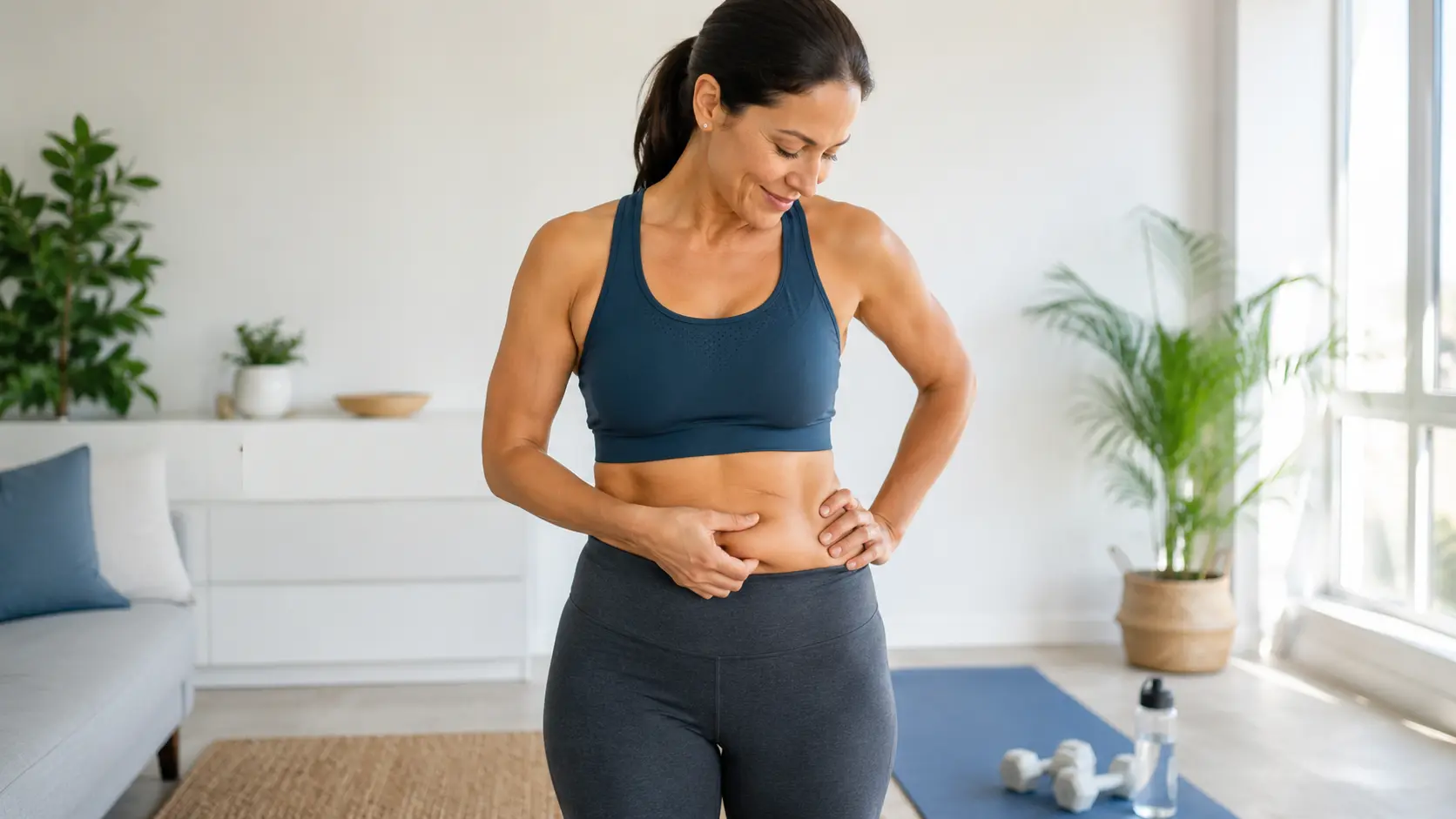
Loose Skin After Weight Loss: How to Prevent It and What Helps
Losing weight can be a major win for your health, confidence, and long-term wellness. But for many people, especially after significant or rapid weight loss, loose skin can become an unexpected concern. The skin may look softer, thinner, crepey, or less firm around the abdomen, arms, thighs, chest, face, or neck.
Loose skin after weight loss happens because the skin has been stretched over time. When weight comes off, the skin may not fully retract, especially if collagen and elastin have weakened. Age, genetics, amount of weight lost, speed of weight loss, sun exposure, smoking history, hydration, and nutrition can all affect how well the skin responds.
The good news is that there are ways to support skin quality before, during, and after weight loss. Some approaches are natural and lifestyle-based. Others involve professional and non-surgical treatments. In more advanced cases, surgical body contouring may be the most effective option.
At Tucson Wellness MD, the goal is not just weight loss. It is healthy, sustainable transformation with support for muscle, skin, energy, metabolism, and natural healing.
Quick Answer: Can Loose Skin After Weight Loss Be Prevented?
Loose skin after weight loss cannot always be fully prevented, especially after major weight loss, pregnancy, aging, or years of skin stretching. However, you can lower the risk by losing weight gradually, staying hydrated, strength training, eating enough protein, supporting collagen production, caring for your skin, and working with a provider on a safe weight loss plan. Non-surgical treatments may help mild to moderate skin laxity, while surgical body contouring may be needed for larger amounts of excess skin.
Why Loose Skin Happens After Weight Loss
Skin is flexible, but it has limits. When the body gains weight, the skin stretches to make room for increased body size. Collagen and elastin help the skin stay firm and elastic, but these proteins can weaken over time.
After weight loss, the body becomes smaller, but the skin may not shrink back completely. This is more likely when weight loss is rapid or substantial, or when the skin has been stretched for many years.
Common areas affected by loose skin include:
Abdomen
Upper arms
Inner thighs
Chest or breasts
Lower back
Face and neck
Under the chin
Loose skin is not a failure. It is often a normal part of major body change. Still, it can affect comfort, clothing fit, confidence, hygiene, and motivation. That is why prevention and treatment planning matter early.
Prevention: Setting the Stage
The best time to think about loose skin is not after weight loss is complete. It is before and during the process. Prevention is about setting the stage for healthier skin, better muscle tone, and slower tissue breakdown.
This does not mean you can control everything. Genetics and age still matter. But the right plan can help your body adapt better.
A strong prevention plan should focus on:
Steady weight loss
Adequate hydration
High-quality protein
Strength training
Skin care
Micronutrients
Provider-guided support
Medical weight loss should protect overall health, not just reduce the number on the scale.
Pace Yourself
Rapid weight loss can increase the chance of loose skin because the body has less time to adjust. Gradual, supervised weight loss gives the skin a better chance to retract as body size changes.
This is especially important for patients using GLP-1 medications, peptide therapy, or other weight loss support. Appetite may drop quickly, but the goal is not to eat as little as possible. The goal is to lose fat while protecting muscle, nutrition, hydration, and skin integrity.
A slower pace can help support:
Better muscle preservation
Less nutrient depletion
Improved energy
Better digestion
More sustainable habits
Healthier skin response
Fast weight loss may feel exciting at first, but if it leads to weakness, poor nutrition, dehydration, or muscle loss, the long-term outcome may not look or feel as good.
Stay Hydrated
Hydration supports skin elasticity, circulation, digestion, and overall tissue health. Dehydrated skin can appear dull, thinner, and less resilient. While water alone will not remove loose skin, it supports the skin’s ability to function well.
Helpful hydration strategies include:
Drinking water throughout the day
Using electrolytes when appropriate
Eating water-rich foods like cucumber, berries, melon, citrus, and leafy greens
Limiting excess alcohol
Balancing caffeine with water intake
Increasing fluids during hot Tucson weather or exercise
If you are on a medical weight loss plan and your appetite is lower, you may also drink less without realizing it. Keep hydration intentional, not accidental.
Natural Approaches: What Helps
Natural healing strategies can support skin quality, but it is important to keep expectations realistic. Lifestyle changes may improve firmness, texture, hydration, and muscle tone, but they may not fully remove large folds of excess skin.
Natural approaches work best for mild loose skin or as part of a bigger plan that includes weight loss care, strength training, nutrition, and professional treatment when needed.
Strength Training
Strength training is one of the most important tools for improving body shape after weight loss. It does not remove excess skin, but it can build lean muscle underneath the skin, making the body look firmer and more toned.
Strength training also helps protect metabolism during weight loss. This matters because losing muscle can make the body look softer, even when fat loss is successful.
Good strength training options include:
Resistance bands
Dumbbells
Weight machines
Bodyweight exercises
Pilates-style resistance work
Supervised strength programs
Focus on the areas most affected by loose skin, such as arms, thighs, glutes, back, chest, and core. Consistency matters more than intensity. Start safely and progress gradually.
Collagen and Nutrition
Collagen is a key structural protein in the skin. Your body needs amino acids, vitamin C, zinc, copper, and other nutrients to support collagen production and tissue repair.
Nutrition choices that may support skin health include:
Lean protein
Eggs
Fish
Chicken
Greek yogurt
Beans and lentils
Bone broth
Citrus fruits
Berries
Leafy greens
Nuts and seeds
Avocado
Colorful vegetables
Protein is especially important during weight loss. If you are eating less, you need to make every meal count. Low protein intake can contribute to muscle loss, slower recovery, and poorer skin appearance.
Some patients ask about collagen supplements. Collagen peptides may support skin hydration and elasticity for some people, but results vary. They should be viewed as support, not a magic fix. Tiny vial, big promises? Not always. The basics still carry the team.
Skin Care
Skin care can improve texture, moisture, and overall appearance. It will not remove major loose skin, but it can help skin look healthier and more resilient.
Helpful skin care habits include:
Daily moisturizer
Gentle exfoliation
Sun protection
Avoiding tanning beds
Using retinoids if appropriate
Avoiding smoking
Limiting harsh products that irritate the skin
Protecting skin from Tucson sun exposure is especially important. UV damage breaks down collagen and elastin, which can make skin laxity worse over time.
If you are using active ingredients like retinol, acids, or prescription creams, ask a provider or skin care professional what is appropriate for your skin type.
Professional & Non-Surgical Treatments
Professional and non-surgical treatments may help mild to moderate loose skin by encouraging collagen remodeling and tissue tightening. These treatments usually work gradually and may require multiple sessions.
The best candidates are usually people who are near a stable weight, have mild to moderate skin laxity, and have realistic expectations. Non-surgical options can improve firmness, but they cannot remove large amounts of hanging skin.
Radiofrequency RF & Ultrasound
Radiofrequency and ultrasound treatments use energy to heat deeper layers of the skin. This may stimulate collagen production and create gradual tightening over time. These treatments are commonly used on the face, neck, abdomen, arms, and thighs.
RF and ultrasound may help with:
Mild skin laxity
Crepey texture
Early sagging
Post-weight-loss firmness concerns
Skin quality improvement
Results are usually subtle to moderate. They are not the same as surgery, but they may be useful for patients who want a non-surgical option and do not have severe excess skin.
Injectable Bio-stimulators
Injectable bio-stimulators are treatments designed to encourage the body’s own collagen production. They may help improve skin firmness, volume loss, and texture in certain areas.
These treatments are often used for:
Facial volume loss
Skin thinning
Mild laxity
Crepey skin texture
Collagen support
Bio-stimulators do not work instantly. They rely on the body’s gradual collagen-building response. Results can take weeks to months and should be planned with a qualified provider.
For TWMD patients focused on weight loss, peptide therapy, and natural healing support, bio-stimulators may be discussed as part of a broader aesthetic wellness plan when appropriate.
Surgical Body Contouring
When loose skin is significant, surgery may be the most effective option. Surgical body contouring removes excess skin and reshapes the body after major weight loss. This is typically considered when weight has stabilized and non-surgical options are unlikely to provide enough improvement.
Body contouring may help improve:
Hanging abdominal skin
Excess arm skin
Loose thigh skin
Sagging breast tissue
Skin folds that cause irritation
Clothing fit
Body proportion
Comfort during exercise
Surgery is not right for everyone. It requires a consultation with a qualified plastic surgeon, realistic expectations, recovery time, and careful discussion of risks.
Abdominoplasty Tummy Tuck and Body Lifts
An abdominoplasty, commonly called a tummy tuck, removes excess abdominal skin and may tighten weakened abdominal muscles. This can be helpful after significant weight loss, pregnancy, or major body changes.
A body lift may address loose skin around the abdomen, hips, thighs, buttocks, and lower back. This is often considered for patients who have lost a large amount of weight and have circumferential skin laxity.
These procedures may provide more dramatic results than non-surgical treatments, but they also involve incisions, scars, downtime, and surgical risks.
Arm or Thigh Lifts
Arm lifts and thigh lifts remove excess skin from the upper arms or thighs. These areas often hold loose skin after weight loss because the skin may stretch significantly and not fully tighten again.
An arm lift may help with loose skin that hangs from the upper arm.
A thigh lift may help with loose skin on the inner or outer thighs.
These procedures can improve contour and comfort, but they require recovery and scar management. A plastic surgeon can explain whether you are a candidate.
Breast Lift
Weight loss can affect breast volume and skin support. A breast lift may help raise and reshape sagging breast tissue after major weight changes.
Some patients may consider a breast lift alone, while others may discuss volume restoration options with a plastic surgeon. The right choice depends on anatomy, goals, skin quality, and overall health.
When to Talk to a Provider
You should speak with a provider if loose skin is affecting your confidence, exercise, hygiene, clothing comfort, or motivation. You should also ask for guidance if you are losing weight quickly or struggling to eat enough protein, drink enough water, or maintain muscle.
A provider can help you understand whether your best next step is:
Improving your nutrition plan
Adjusting your weight loss pace
Adding strength training
Supporting hydration and recovery
Considering skin care upgrades
Discussing non-surgical skin tightening
Referring to a plastic surgeon for body contouring
Loose skin is easier to manage when it is part of the plan from the beginning, not treated as an afterthought.
How Tucson Wellness MD Supports Healthy Weight Loss
Tucson Wellness MD takes a personalized approach to weight loss and wellness. The focus is not only on fat loss, but also on preserving muscle, supporting skin health, improving energy, and helping patients feel better throughout the process.
Depending on your goals and health profile, care may include:
Medical weight loss support
Peptide therapy guidance when appropriate
Nutrition planning
Protein and hydration support
Hormone and metabolic evaluation
Natural healing strategies
Aesthetic wellness recommendations
Long-term maintenance planning
A healthier body transformation should feel supported, sustainable, and medically guided.
Final Thoughts on Loose Skin After Weight Loss
Loose skin after weight loss is common, especially after major or rapid weight loss. It happens when stretched skin cannot fully retract due to changes in collagen, elastin, age, genetics, and weight loss speed.
You may not be able to prevent loose skin completely, but you can reduce the risk and support better results. Pace yourself, stay hydrated, strength train, prioritize protein, support collagen, protect your skin, and ask about professional options when needed.
Natural approaches can help skin look and feel better, non-surgical treatments may improve mild to moderate laxity, and surgical body contouring may be the best option for more advanced excess skin.
At Tucson Wellness MD, weight loss is treated as a whole-body process, not just a scale goal.
Frequently Asked Questions About Loose Skin After Weight Loss
Can loose skin after weight loss go away on its own?
Mild loose skin may improve over time, especially if weight loss is gradual and you support your body with strength training, hydration, protein, and skin care. Larger amounts of loose skin may not fully tighten without professional or surgical treatment.
How can I prevent loose skin while losing weight?
The best prevention steps include losing weight at a steady pace, staying hydrated, eating enough protein, strength training, protecting your skin from sun damage, and following a medically guided weight loss plan.
Does strength training tighten loose skin?
Strength training does not remove loose skin, but it can build muscle underneath the skin and improve body shape, firmness, and tone after weight loss.
Do collagen supplements help loose skin?
Collagen supplements may support skin hydration and elasticity for some people, but results vary. They work best when combined with enough protein, vitamin C, hydration, and healthy lifestyle habits.
What is the best treatment for loose skin after major weight loss?
For mild to moderate skin laxity, non-surgical treatments like radiofrequency, ultrasound, or injectable bio-stimulators may help. For significant excess skin, surgical body contouring may provide the most noticeable improvement.