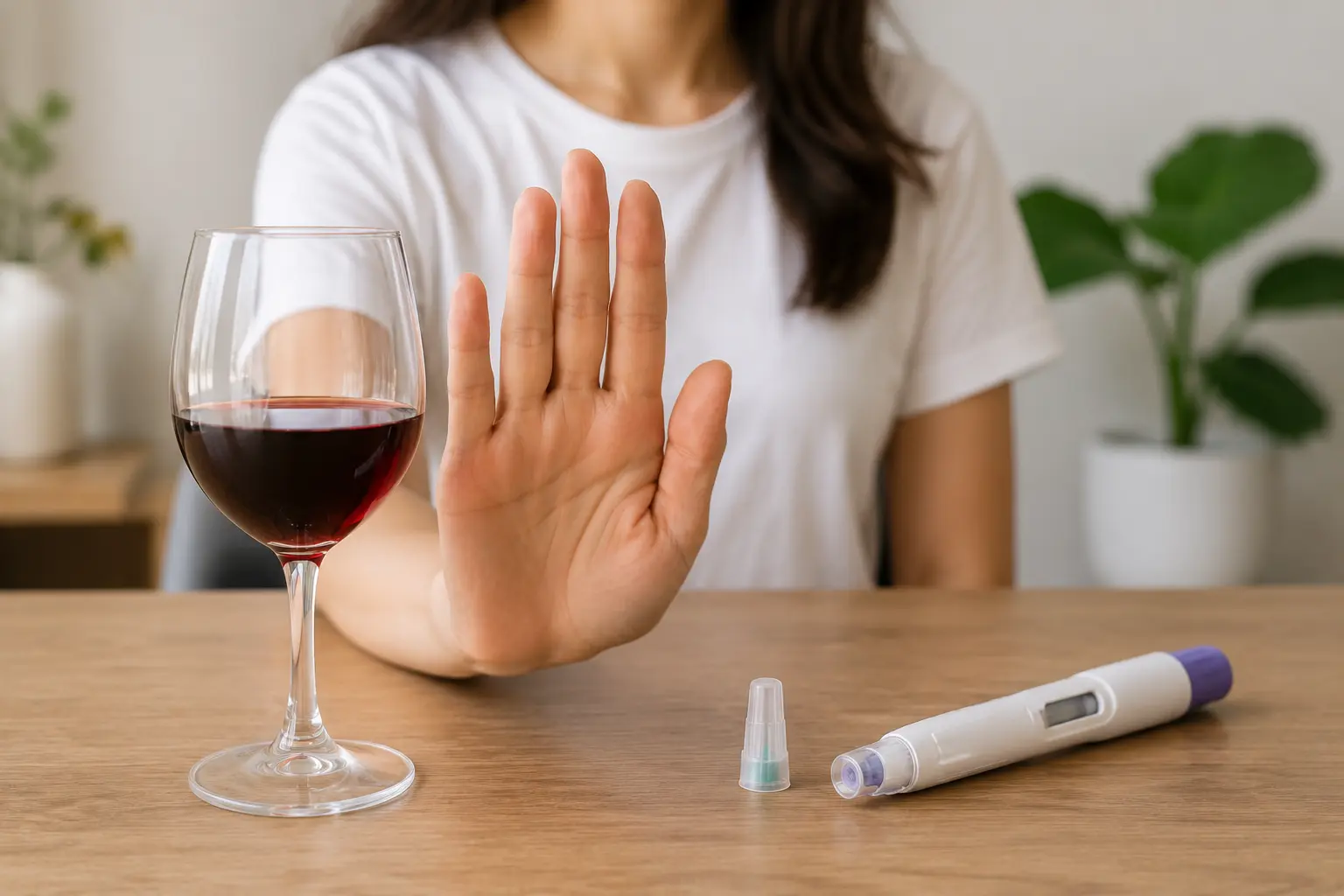
Can You Drink Alcohol on Tirzepatide?
Table of Contents
Tirzepatide is a medication used for weight management and metabolic health support when prescribed by a qualified healthcare provider, but many patients still have real-life questions about what they can and cannot do while taking it. One common question is simple: can you drink alcohol while taking tirzepatide?
The answer depends on your health history, dose, side effects, blood sugar risk, and weight loss goals. Alcohol is not automatically forbidden for every person taking tirzepatide, but it can increase certain risks. It may worsen nausea, affect hydration, disrupt blood sugar, trigger cravings, and make weight loss more difficult.
At Tucson Wellness MD, the goal is not just weight loss. The goal is safe, sustainable progress with medical guidance, nutrition support, peptide therapy options when appropriate, and a natural healing approach that supports your whole body.
QUICK ANSWER
Can you drink alcohol while taking tirzepatide?
Some people may be able to drink small amounts of alcohol while taking tirzepatide, but alcohol may increase the risk of nausea, dehydration, blood sugar changes, and difficulty maintaining weight loss goals. Drinking in moderation, staying hydrated, eating balanced meals, and discussing alcohol use with your healthcare provider can help support safer treatment decisions.
The Main Risks of Mixing Tirzepatide and Alcohol
Tirzepatide affects appetite, digestion, blood sugar regulation, and fullness signals. Alcohol also affects digestion, hydration, liver function, blood sugar, and decision-making around food. When combined, these effects can overlap in ways that make side effects stronger or weight loss harder to maintain.
The main risks of mixing tirzepatide and alcohol include worsened digestive upset, blood sugar fluctuations, dehydration, stalled weight loss, and rare but serious complications.
Worsened Digestive Upset
Digestive side effects are common with tirzepatide, especially when starting treatment or increasing the dose. Some patients experience nausea, fullness, bloating, reflux, constipation, diarrhea, or vomiting.
Alcohol can irritate the stomach and may worsen these symptoms. This is especially true with sugary cocktails, carbonated drinks, heavy beer, or drinking on an empty stomach. Since tirzepatide slows digestion, alcohol may also sit differently in your system than it used to.
You may notice that one drink feels stronger than before, or that alcohol causes nausea faster than expected.
Blood Sugar Fluctuations
Tirzepatide helps improve blood sugar regulation. Alcohol can make blood sugar less predictable. In some people, alcohol may contribute to low blood sugar, especially when drinking without food or when taking diabetes medications such as insulin or sulfonylureas.
Blood sugar fluctuations can cause symptoms such as shakiness, sweating, dizziness, weakness, confusion, headache, hunger, irritability, or feeling faint. These symptoms can sometimes be mistaken for being tipsy, which makes the situation trickier.
If you use tirzepatide for type 2 diabetes or take other blood sugar-lowering medications, talk with your provider before drinking alcohol.
Dehydration
Dehydration is one of the most overlooked risks of drinking alcohol while taking tirzepatide. Alcohol can increase fluid loss, and tirzepatide-related nausea, vomiting, diarrhea, or reduced intake can already make hydration harder.
When dehydration builds up, you may feel dizzy, fatigued, constipated, weak, or headachy. Dehydration can also make digestive side effects worse and may affect kidney function in vulnerable patients.
If you are taking tirzepatide, hydration should be part of your daily plan, not something you remember only after the headache hits.
Stalled Weight Loss
Alcohol can slow weight loss for several reasons. It adds calories without much nutritional value, can reduce sleep quality, may lower inhibition around food, and can increase cravings for salty, greasy, or high-sugar foods.
Even moderate drinking can make it harder to stay consistent if it leads to late-night snacking or skipped protein the next day. Tirzepatide helps reduce appetite, but alcohol can blur hunger and fullness cues.
For many patients, the issue is not one drink. The issue is the chain reaction after the drink.
Rare but Serious Complications
Most people who experience side effects from tirzepatide have mild to moderate digestive symptoms. However, rare but serious complications can occur. Patients should seek medical care for severe abdominal pain, persistent vomiting, signs of pancreatitis, gallbladder symptoms, severe dehydration, or symptoms of very low blood sugar.
Alcohol may be risky for people with a history of pancreatitis, liver disease, gallbladder problems, uncontrolled diabetes, heavy alcohol use, or severe gastrointestinal symptoms.
Call your provider if you have:
Severe or persistent abdominal pain
Pain that moves to the back
Repeated vomiting
Yellowing of the skin or eyes
Severe dizziness or fainting
Confusion or signs of low blood sugar
Dark urine or inability to stay hydrated
Safety Tips for Responsible Drinking
If your provider says alcohol is acceptable for you, moderation and planning matter. Drinking while taking tirzepatide should be intentional, not automatic.
Hydrate Constantly
Hydration is one of the simplest ways to reduce risk. Drink water before, during, and after alcohol. If you are prone to nausea, constipation, headaches, or dizziness, hydration becomes even more important.
Helpful hydration habits include:
Drink a full glass of water before alcohol
Alternate each alcoholic drink with water
Use electrolytes when needed
Avoid drinking after a day of poor fluid intake
Stop drinking if you feel dizzy, nauseated, or unusually weak
Hydration also supports natural healing, digestion, energy, and healthier weight loss progress.
Drink in Moderation
Moderation matters more when you are taking a medication that affects digestion and appetite. Some patients find that their tolerance changes on tirzepatide. A drink that used to feel normal may now feel too strong.
A safer approach is to start with less than you normally would. Avoid binge drinking. Avoid drinking during dose increases if you are already dealing with nausea, vomiting, reflux, or constipation.
Your body may not process alcohol the same way during treatment, so do not use your old tolerance as the rulebook.
Drink with Food
Drinking on an empty stomach can increase the chance of nausea, dizziness, and blood sugar swings. If you drink, pair alcohol with a balanced meal or snack.
Good options include:
Lean protein
Vegetables
Healthy fats
Fiber-rich carbohydrates
Low-sugar meals
Avoid pairing alcohol with large greasy meals if tirzepatide already causes reflux or nausea. Heavy meals plus alcohol plus slowed digestion can may increase digestive discomfort, especially for individuals already experiencing gastrointestinal side effects.
Choose Lower-Calorie Options
Alcohol can add calories quickly, especially when mixed with juice, soda, syrups, cream, or sweetened mixers. If weight loss is one of your goals, choose lower-calorie options when possible.
Better choices may include:
Dry wine in moderate amounts
Light beer
Spirits with soda water
Unsweetened mixers
Alcohol-free alternatives
Drinks to limit include:
Sugary cocktails
Frozen drinks
Cream-based drinks
High-calorie craft beers
Mixed drinks with soda or juice
This does not mean you can never enjoy a drink. It means the drink should not quietly sabotage your progress.
Listen to Your Body
Tirzepatide can change how your body responds to food, fullness, cravings, and alcohol. Pay attention to your symptoms instead of forcing old habits.
Stop drinking if you notice:
Nausea
Bloating
Dizziness
Flushing
Reflux
Abdominal pain
Vomiting
Lightheadedness
Unusual fatigue
Shakiness
If alcohol consistently makes you feel worse, your body is giving you useful data. Listen to it.
Do Your Cravings Feel Different?
Some patients notice that tirzepatide changes their cravings. Food may feel less urgent. Sweet cravings may drop. Alcohol cravings may also feel different for some people.
Ask yourself:
Do I actually want this drink, or is it just a habit?
Do I feel satisfied after less alcohol than before?
Does alcohol trigger snacking after my appetite was controlled all day?
Do I feel worse the next day when I drink?
Does drinking slow down my progress for several days?
This kind of self-awareness can help you make better choices. Tirzepatide is not just about eating less. It can help you understand your patterns more clearly.
Who Should Avoid Alcohol While Taking Tirzepatide?
Some people should avoid alcohol or only drink after direct provider approval.
You may need to avoid alcohol if you:
Have a history of pancreatitis
Have severe nausea or vomiting
Have uncontrolled diabetes
Use insulin or sulfonylureas
Have liver disease
Have gallbladder disease
Have kidney issues or dehydration risk
Have a history of alcohol misuse
Are pregnant, trying to conceive, or breastfeeding
Have severe reflux or gastroparesis symptoms
If you are unsure, ask your provider. Guessing is not a wellness strategy.
How Tucson Wellness MD Helps Patients Taking Tirzepatide
At Tucson Wellness MD, tirzepatide treatment is personalized. Patients receive guidance that goes beyond the injection itself. Weight loss care should include nutrition, hydration, body composition support, medication monitoring, and practical lifestyle coaching.
Tucson Wellness MD may help patients with:
Safe tirzepatide treatment planning
Digestive side effect management
Nutrition and hydration guidance
Protein and muscle preservation support
Peptide therapy options when appropriate
Natural healing strategies for long-term wellness
Weight loss plateaus and appetite changes
Alcohol and lifestyle safety questions
If alcohol is affecting your symptoms, cravings, sleep, hydration, or weight loss progress, bring it up during your visit. It is not about judgment. It is about getting better results with fewer setbacks.
Learn more about related weight management options including medical weight loss and peptide therapy to support personalized treatment goals.
Final Thoughts on Tirzepatide and Alcohol
You may be able to drink alcohol while taking tirzepatide, but it should be done carefully. Alcohol can worsen digestive upset, cause dehydration, affect blood sugar, increase cravings, and slow weight loss. For some patients, the safest choice is to avoid alcohol, especially during dose changes or when side effects are active.
If you do drink, hydrate constantly, drink in moderation, drink with food, choose lower-calorie options, and listen to your body. If symptoms feel unusual, stop drinking and contact your provider.
Tucson Wellness MD can help you build a safer, more sustainable plan for tirzepatide, peptide therapy, natural healing, and long-term weight management.
Frequently Asked Questions About Drinking Alcohol While Taking Tirzepatide
Can I drink alcohol while taking tirzepatide?
Some patients may be able to drink small amounts of alcohol while taking tirzepatide, but it depends on their health history, side effects, blood sugar risk, and weight loss goals. Ask your provider for personalized guidance.
Does alcohol make tirzepatide side effects worse?
Yes, alcohol may worsen nausea, reflux, bloating, vomiting, diarrhea, constipation, dizziness, or dehydration in some people taking tirzepatide.
Can alcohol cause low blood sugar with tirzepatide?
Alcohol can make blood sugar more unpredictable. The risk may be higher if you take tirzepatide with insulin, sulfonylureas, or other diabetes medications.
What alcohol is best while taking tirzepatide?
If your provider says alcohol is okay, lower-calorie choices like dry wine, light beer, or spirits with unsweetened mixers may be better than sugary cocktails. Drink slowly and with food.
Should I avoid alcohol after increasing my tirzepatide dose?
It may be best to avoid alcohol during dose increases, especially if you are experiencing nausea, vomiting, reflux, constipation, or low appetite. Your provider can give guidance based on your treatment plan.
Can tirzepatide change how alcohol affects me?
Tirzepatide may change appetite, digestion, and food intake patterns, which can affect how some people respond to alcohol. Individual experiences vary, and patients should monitor symptoms and discuss concerns with their provider.
Can I drink alcohol after a tirzepatide injection?
There is no universal rule that alcohol must always be avoided after a tirzepatide injection. However, some patients may experience stronger nausea, digestive discomfort, or dehydration, especially during dose increases. Provider guidance is recommended.