Tesofensine Side Effects: What to Expect, Risks, and How to Minimize Them
What are the side effects of tesofensine?
The most common tesofensine side effects include dry mouth, insomnia, nausea, constipation, headache, and mild increases in heart rate. Most side effects are temporary and improve as your body adjusts, especially with proper dosing and medical supervision.
Table of Contents
Tesofensine has gained attention as a potential option in medical weight management. Like any prescription medication that affects appetite and metabolism, it comes with possible side effects.
If you are considering tesofensine, understanding how it works and what to expect helps you decide whether it is appropriate for your health profile.
Below is a clear breakdown of common side effects, rare concerns, and how medical supervision reduces risk.
Quick Overview: Most Common Tesofensine Side Effects
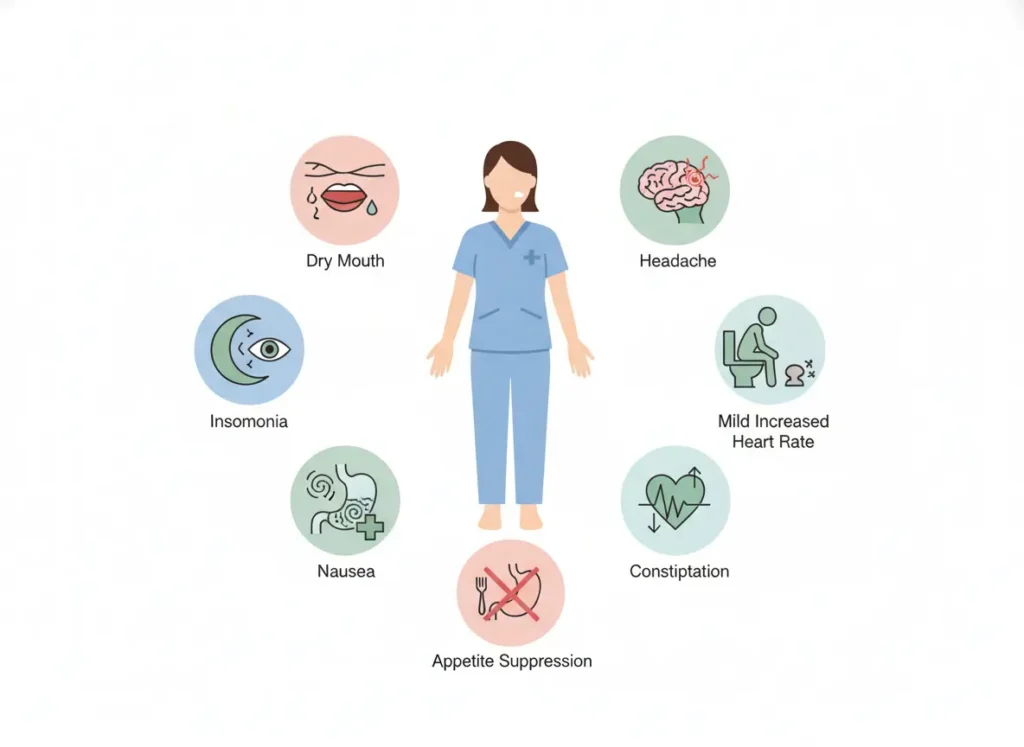
The side effects reported most frequently include:
- Dry mouth
- Insomnia or disrupted sleep
- Nausea
- Constipation
- Headache
- Occasional diarrhea
In clinical trials, participants taking a common 0.5 mg dose experienced an average increase in heart rate of about 7 beats per minute. Blood pressure changes were generally minimal at lower doses but require monitoring.
Tesofensine has a long half-life, meaning it remains in the body for over a week. Because of this, side effects may last longer if dosing is not adjusted properly.
What Patients Notice Most Early On
Most tesofensine side effects show up early in treatment and are usually tied to how the medication affects appetite, energy, and the nervous system. Patients most often notice dry mouth, trouble sleeping, mild nausea, constipation, headache, or a slightly faster heart rate during the first few weeks. These effects are often dose-dependent and tend to improve as the body adjusts, especially when treatment starts low and is monitored closely. Because tesofensine has a long half-life, side effects can last longer if the dose is too high or not adjusted quickly. That is why careful screening, morning dosing, and follow-up matter before and during treatment.
How Tesofensine Affects Your Body: The Science Behind It
Tesofensine is classified as a serotonin-norepinephrine-dopamine reuptake inhibitor. It influences brain chemicals that regulate appetite, energy levels, and motivation.
By enhancing these neurotransmitters, tesofensine may:
- Reduce hunger signals
- Increase energy expenditure
- Support weight loss efforts
However, these same pathways can affect heart rate, sleep patterns, and mood, which explains many of the potential side effects.
Explaining Common Tesofensine Side Effects
The Main Side Effects Patients Ask About Most
When people ask about the main side effects of tesofensine, they are usually referring to the symptoms that show up most often in day-to-day use. The most common ones include dry mouth, insomnia, nausea, constipation, headache, and a mild increase in heart rate, with some patients also noticing occasional diarrhea or feeling slightly more restless than usual. These effects tend to be strongest during the early phase of treatment and are often more manageable when dosing is conservative and closely monitored. Because tesofensine stays in the body for a long time, even mild side effects can linger longer than expected if the dose needs adjustment.
Digestive Changes from Tesofensine
Dry mouth is the most commonly reported issue. Hydration, sugar-free gum, and proper oral care often help.
Some individuals experience constipation, nausea, or mild diarrhea during the early weeks of treatment. Increasing fluids, adding dietary fiber, and eating smaller meals can reduce discomfort.
How Tesofensine Affects Your Sleep
Because tesofensine stimulates the nervous system, some patients experience insomnia or lighter sleep.
Morning dosing and limiting caffeine intake later in the day often improve sleep quality.
Headaches and Mild Dizziness from Tesofensine
These symptoms may appear as your body adjusts. They are typically temporary but should be reported if persistent.
Why Tesofensine Increases Heart Rate
In clinical trials, heart rate increases averaged about 7 beats per minute at standard doses. Blood pressure changes were minimal in most participants at lower doses.
Patients with hypertension or cardiovascular risk require closer monitoring.
Mood and Anxiety Changes: Tesofensine’s Impact on Mental Health
Some individuals report improved focus and alertness. Others may notice increased anxiety, irritability, or restlessness.
Patients with a history of anxiety, insomnia, or mood disorders require careful evaluation before starting tesofensine.
Who Should Avoid Tesofensine?
Tesofensine may not be appropriate if you:
- Have uncontrolled high blood pressure
- Have significant cardiovascular disease
- Have severe anxiety or untreated psychiatric conditions
- Take MAO inhibitors or certain antidepressants
- Are pregnant or breastfeeding
A complete medical review is essential before initiating treatment.
Rare but Serious Reactions to Tesofensine
Seek medical attention if you experience:
- Persistent rapid heart rate
- Sustained elevated blood pressure
- Chest discomfort
- Severe mood changes
While uncommon, these symptoms require immediate evaluation.
How Tucson Wellness MD Reduces Tesofensine Risks
At Tucson Wellness MD, safety protocols include:
- Baseline heart rate and blood pressure assessment
- Starting with the lowest effective dose
- Structured follow-up during the first weeks
- Clear guidance on dosing time and sleep management
- Prompt adjustment if side effects develop
Medical weight loss should never be one-size-fits-all. Monitoring is part of responsible care.
Tesofensine vs GLP-1 Medications: A Comparison
| Feature | Tesofensine | GLP-1 Medications (Semaglutide, Tirzepatide) |
| Primary Action | Neurotransmitter-based appetite control | Gut hormone-based appetite control |
| Common Side Effects | Dry mouth, insomnia, mild HR increase | Nausea, vomiting, diarrhea |
| Monitoring Focus | Heart rate, blood pressure, sleep | Gastrointestinal tolerance |
| Duration in Body | Long half-life | Shorter half-life |
The best option depends on your medical history, metabolic profile, and tolerance.
Tips to Minimize Tesofensine Side Effects
- Take the medication in the morning
- Stay well hydrated
- Limit caffeine after midday
- Increase dietary fiber gradually
- Monitor heart rate and blood pressure regularly
Final Thoughts on Tesofensine Side Effects
Tesofensine may support weight loss when prescribed and monitored appropriately. Most side effects are manageable and improve with dose adjustments and proper oversight.
The key is individualized evaluation and consistent monitoring.
If you are considering tesofensine as part of a medically supervised weight loss plan, Tucson Wellness MD can help determine whether it aligns with your health goals.
Frequently Asked Questions About Tesofensine
What are the most common side effects of tesofensine? The most frequently reported tesofensine side effects are dry mouth, insomnia, nausea, constipation, and headache. Most are dose-dependent and transient, resolving within the first two to four weeks as the body adjusts to the medication.
Does tesofensine raise heart rate or blood pressure? Yes. Clinical trial data at the 0.5 mg dose showed an average heart rate increase of approximately 7 beats per minute. Blood pressure changes were generally minimal at lower doses but require ongoing monitoring. Patients with hypertension or cardiovascular risk factors require closer evaluation and follow-up before and during treatment.
Is tesofensine FDA-approved? No. Tesofensine is not FDA-approved for any indication as of 2026. Use in the United States occurs off-label. Patients should discuss regulatory status and legal access with their physician before starting.
How does tesofensine compare to semaglutide or tirzepatide for side effects? Tesofensine and GLP-1 medications like semaglutide and tirzepatide have distinct side effect profiles. Tesofensine most commonly causes dry mouth, insomnia, and mild heart rate elevation. GLP-1 medications most commonly cause nausea, vomiting, and diarrhea. Tesofensine also has a longer half-life, meaning side effects may persist longer if dosing is not adjusted. The better option depends on individual medical history, metabolic profile, and tolerance.
How long do tesofensine side effects last? Most common side effects are transient and typically resolve within two to four weeks. Because tesofensine has a long half-life and remains in the body for over a week, side effects may take longer to clear compared to shorter-acting medications if dosing adjustments are needed.
Who should not take tesofensine? Tesofensine is contraindicated or requires significant caution in patients with uncontrolled hypertension, significant cardiovascular disease, severe anxiety or untreated psychiatric conditions, current use of MAO inhibitors or certain antidepressants, and those who are pregnant or breastfeeding. A complete medical review at Tucson Wellness MD is required before any protocol is initiated.
How does Tucson Wellness MD manage tesofensine side effects? The protocol at Tucson Wellness MD includes baseline cardiovascular assessment, starting at the lowest effective dose, structured follow-up during the first weeks of treatment, clear guidance on morning dosing and sleep management, and prompt dose adjustment if side effects develop. Monitoring is built into the protocol, not added as an afterthought.